Visible Light

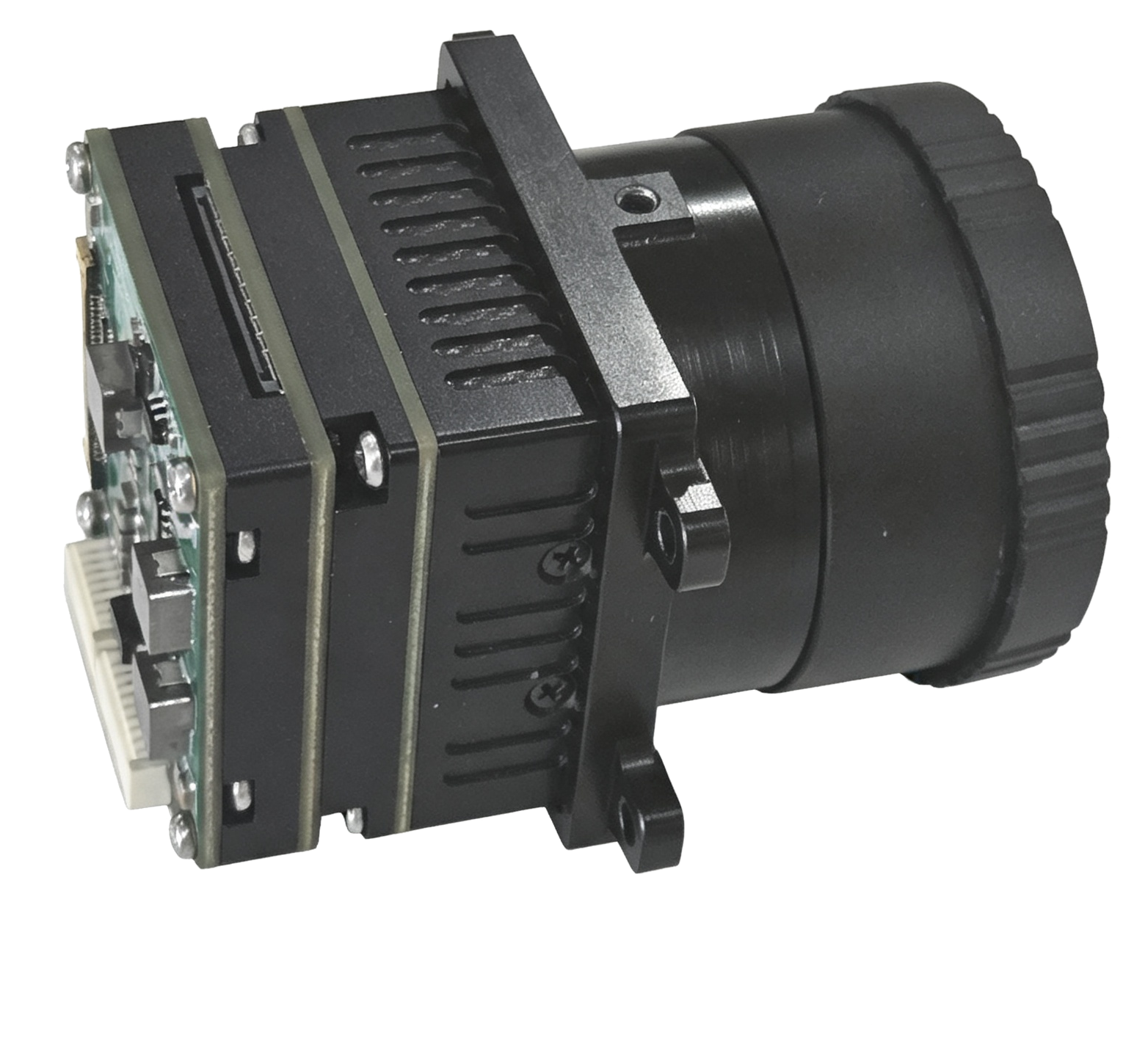
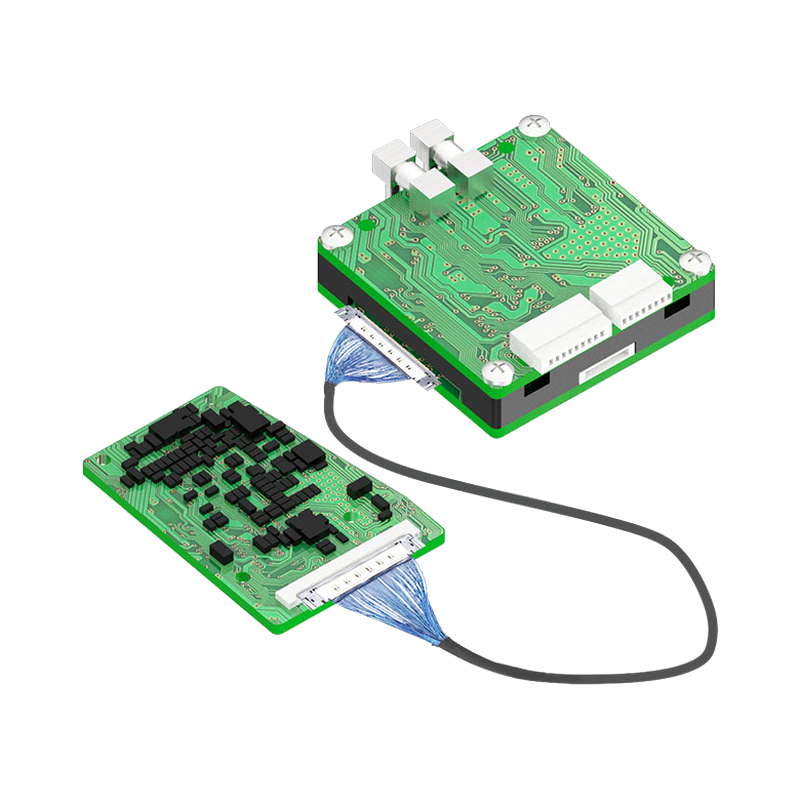
MODO-VL-1080-POE Modular Visible Light Imaging Module

0.4–0.9 μm

1920×1080 visible light module with POE interface. Hisilicon platform, rolling shutter. RS232/RS422. DC 48V, 168×68×105mm.

MODO-VL-1080-POE
1920×1080
Resolution
4 μm
Pixel pitch
Visible Light: 0.4–0.9 μm
Spectral range

Overview

1920×1080 visible light module with POE interface. Hisilicon platform, rolling shutter. RS232/RS422. DC 48V, 168×68×105mm.

Project Background

MODO-VL-1080-POE organizes 1080p visible imaging, a HiSilicon processing platform and Power over Ethernet into a module configuration for network-based observation. It addresses power, video transport and host integration together, with a rolling-shutter architecture suited to stationary and slow-moving observation scenes.

Key Features

Key Features

  • 1920×1080 Full HD visible light imaging at 4 μm pixel pitch
  • POE interface — single cable for power and gigabit video data
  • Hisilicon platform — proven SoC with extensive IPC ecosystem support
  • RS232/RS422 for pan-tilt-zoom and gimbal control
  • Rolling shutter optimized for stationary and slow-moving scenes

Customer Problems Solved

Separate power and video cabling

Observation nodes can require additional cable runs, connectors and installation work when power and network video are carried separately.

The PoE interface carries DC 48 V power and gigabit video data over one network cable, simplifying the electrical and network connection at the module.
Network-video platform integration

OEM teams need an imaging module that fits an established processing and network-video software environment rather than a standalone sensor board.

The HiSilicon platform and 1920×1080 visible channel provide a defined basis for integration with the IPC ecosystem and the host's network-video workflow.

Control and mechanical adaptation

Observation installations differ in their lens choice, platform-control wiring and available mounting envelope.

RS232/RS422 supports pan-tilt-zoom and gimbal control integration, while lens options and the documented 168×68×105 mm configuration give the project a concrete mechanical starting point.

Technical Specifications

Detector & Optics

Spectral Band Visible Light: 0.4–0.9 μm
Resolution 1920×1080
Pixel Size 4 μm / 112 μm
Compatible Lenses Fixed-focus athermalized, Continuous zoom, Motorized focus, Dual FOV

Video & Interfaces

Video Interface POE (Power over Ethernet)
Platform Hisilicon
Shutter Rolling Shutter
Communication RS232 / RS422

Power & Physical

Power Supply DC 48V (PoE)
Dimensions 168×68×105 mm

Related Products

MODO-VS-1080-4K Split-type Visible Light Imaging Module
Visible Light

MODO-VS-1080-4K Split-type Visible Light Imaging Module

MODO-VS-1080-4K

Split-type visible light modules from 1080p to 4K (3840×2160). FPGA platform, global shutter. MIPI, CML, SDI, CameraLink options. 35×35mm board.

Resolution Options
1920×1080 / 2560×1440 / 3840×2160
Pixel pitch
3.5 / 2.5 μm
Spectral range
Visible Light: 0.4–0.9 μm
MODO-LN-1080-SDI 1920×1080 Low-Light Visible/NIR Imaging Module
Low-light visible/NIR

MODO-LN-1080-SDI 1920×1080 Low-Light Visible/NIR Imaging Module

MODO-LN-1080-SDI

A full-color 1920×1080 low-light visible/NIR module with 4 μm pixels, >100 dB HDR, SDI and PAL outputs, 30/60/90 fps modes, and ≤3 W power consumption.

Resolution
1920×1080
Pixel pitch
4 μm
Spectral range
400–950 nm + 1064 nm
MODO-VT-640-50 640×512 Uncooled LWIR Module
Uncooled LWIR
Ceramic

MODO-VT-640-50 640×512 Uncooled LWIR Module

MODO-VT-640-50

A 640×512, 12 μm uncooled LWIR module shown with the 25 mm F1.0 fixed-focus athermalized lens — 50 Hz imaging, SDI/MIPI video output, RS422 control, and a 9.1–75 mm fixed-lens series.

Detector
VOx Uncooled LWIR
Resolution
640×512
Pixel pitch
12 μm
Spectral band
8–12 μm

Typical Applications

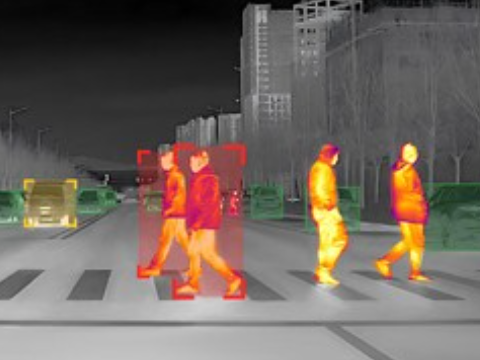
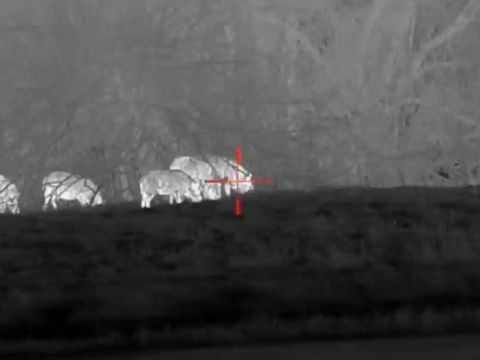
Each card above links to a dedicated application page covering integration considerations, recommended module pairings and typical configurations. Don't see your scenario? Contact us for a tailored proposal.

Interested in MODO-VL-1080-POE?

Contact our engineering team to discuss integration requirements, custom configurations, and volume pricing.