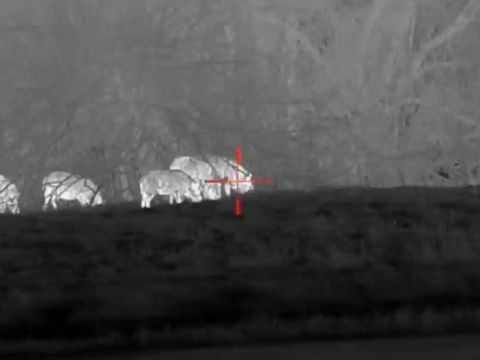
Low-light visible/NIR

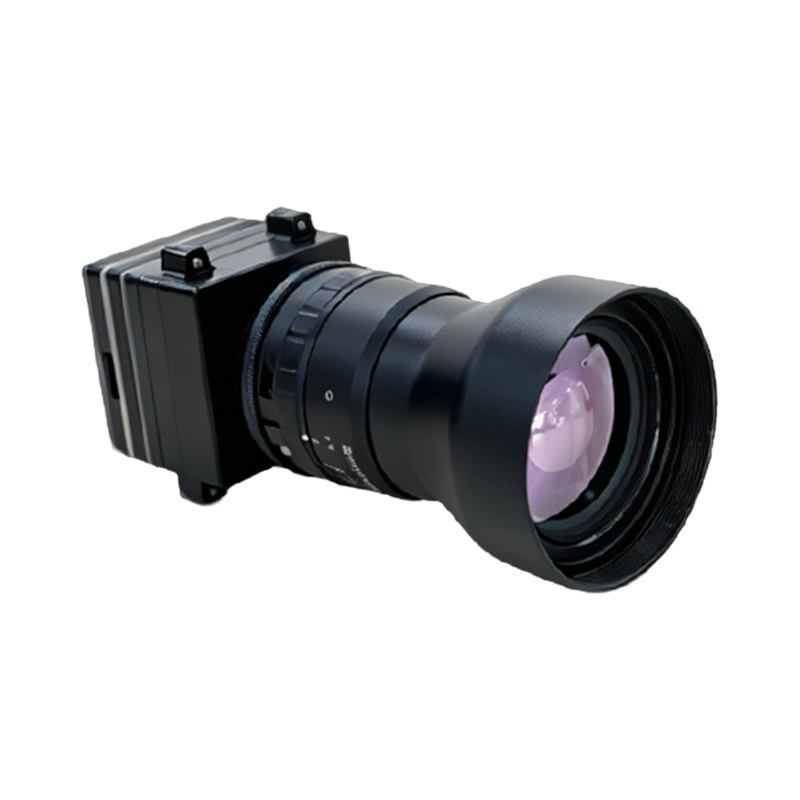
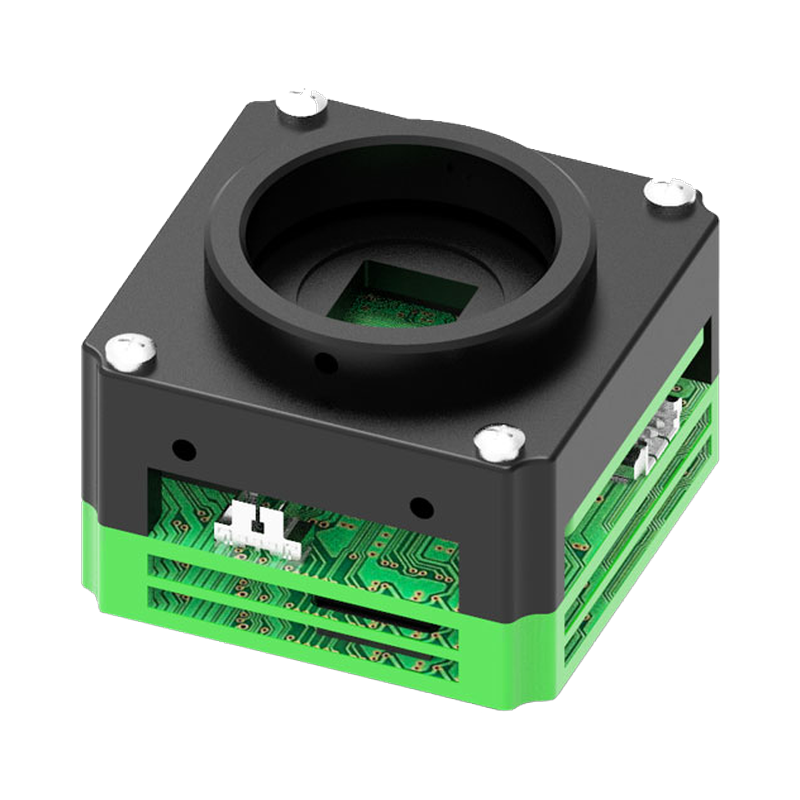
MODO-LN-1080-SDI 1080p Low-Light Visible/NIR Imaging Module

Visible 400–700 nm + NIR 700–950 nm; optional 1064 nm

A full-color 1920×1080 low-light visible/NIR module with 4 μm pixels, >100 dB HDR, SDI and PAL outputs, 30/60/90 fps modes, and ≤3 W power consumption.

MODO-LN-1080-SDI
1920×1080
Resolution
4 μm
Pixel pitch
400–950 nm + 1064 nm
Spectral range

Overview

A full-color 1920×1080 low-light visible/NIR imaging module built around a 1/1.8-inch CMOS sensor with 4 μm pixels. It combines 0.0 lux @ F1.4 low-light enhancement, >100 dB HDR, WDR and electronic defog with SDI and PAL outputs, making it a compact drop-in imaging channel for EO/IR payloads and observation systems.

Project Background

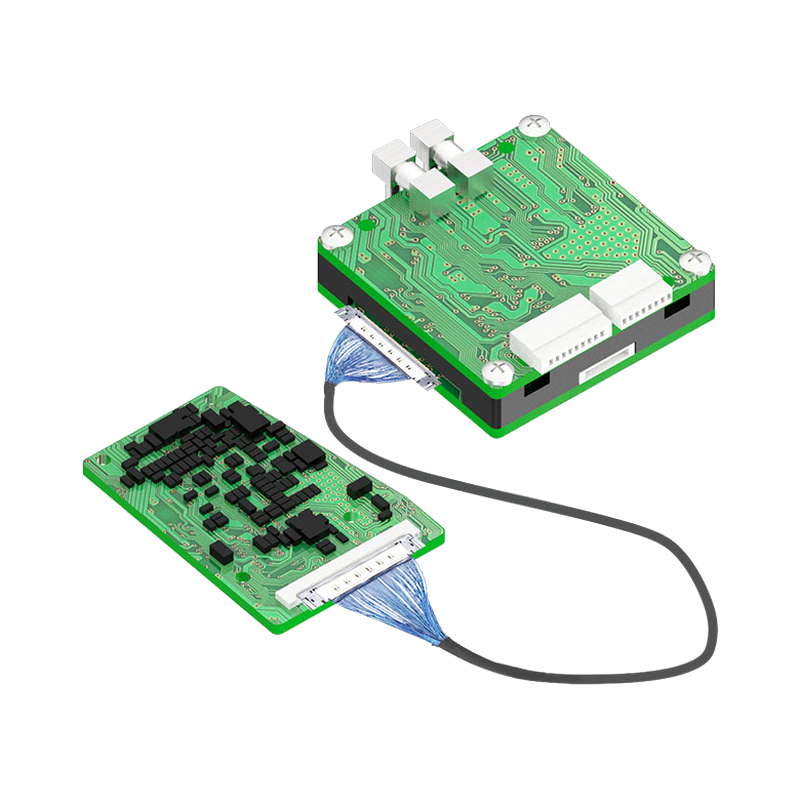
MODO-LN-1080-SDI is a 1080p visible/NIR imaging configuration for EO payloads and observation systems that need full-color detail under difficult lighting. It combines a compact 1/1.8-inch CMOS imaging channel with low-light enhancement, HDR/WDR, electronic defog, noise reduction and SDI/PAL output, allowing image processing and system interfaces to be integrated as one module.

Key Features

Low-light imaging

  • 1/1.8-inch full-color CMOS, 4 μm pixels, 10800 mV/lux·s sensitivity
  • Clear imaging at 0.0 lux @ F1.4 with low-light enhancement
  • HDR >100 dB (HDR mode) / 84 dB (linear mode)

Enhanced image processing

  • WDR, electronic defog (auto / 5-level manual) and temporal-spatial noise reduction
  • Automatic light adaptation ≤2 s and auto white balance
  • Color/monochrome switching, mirror and 1×–4× continuous digital zoom

System-ready interfaces

  • One SDI output at 1920×1080 plus one PAL video output
  • RS232 and RS422 control, 115200 bps (N, 8, 1)
  • Focus sharpness evaluation, reticle overlay, self-test and setting retention

Customer Problems Solved

Retaining detail as illumination falls

Low-light scenes can reduce visible detail and increase image noise, making a conventional visible channel harder to interpret.

The 4 μm-pixel CMOS sensor, low-light enhancement, automatic or manual exposure/gain and temporal-spatial noise reduction provide tools for managing detail and noise under the actual lens and lighting conditions.
High contrast, haze and changing light

Backlighting, bright and dark scene regions, haze and rapid illumination changes can obscure important parts of an observation image.

HDR mode exceeds 100 dB, WDR and electronic defog support difficult scenes, and automatic light adaptation responds within ≤2 s according to the documented configuration.

Video output and payload-control integration

An OEM payload needs more than image quality; it must also connect video, control, overlay and diagnostic functions to the host system.

SDI and PAL outputs cover digital and analog video paths, while RS232/RS422 control, focus sharpness evaluation, reticle overlay, self-test and setting retention support host integration.

Technical Specifications

Sensor & Optics

Detector 1/1.8-inch full-color CMOS
Resolution 1920×1080
Pixel pitch 4 μm
Sensitivity 10800 mV/lux·s
Dynamic range HDR >100 dB; linear 84 dB
Spectral range Visible 400–700 nm; NIR 700–950 nm; optional 1064 nm
Color mode Full color

Video & Interfaces

Video output SDI 1920×1080 + PAL
Frame rate 30 / 60 / 90 fps, 30 fps default
Control interface RS232 / RS422, 115200 bps (N, 8, 1)
Exposure / gain Automatic or manual
Digital zoom 1×–4× continuous
Defog Automatic / 5-level manual
Noise reduction Temporal & spatial
WDR Supported

Power & Physical

Power supply DC 12 V ±1 V
Power consumption ≤3 W
Start-up time ≤8 s
External filter Supported
Dimensions ≤43×45×51 mm (±0.5 mm)
Weight ≤100 g (excluding lens)
Operating temperature −40 to +60 °C
Storage temperature −45 to +70 °C
Shock ≥20 g vertical; ≥15 g transverse / longitudinal
Vibration ≥2 g (15–500 Hz)

Control & System Functions

Automatic light adjustment Automatic, ≤2 s
White balance Automatic
Focus evaluation Real-time sharpness value output
Reticle / OSD Display/blanking, adjustable position, auto-recall on power-up
Self-test Power-on and command self-test with status feedback
Parameter management Save settings; restore factory defaults

Specifications reflect the supplied technical document. Lens, connector, mechanical, and environmental options may be finalized for the target program.

Related Products

MODO-VL-1080-POE Modular Visible Light Imaging Module
Visible Light

MODO-VL-1080-POE Modular Visible Light Imaging Module

MODO-VL-1080-POE

1920×1080 visible light module with POE interface. Hisilicon platform, rolling shutter. RS232/RS422. DC 48V, 168×68×105mm.

Resolution
1920×1080
Pixel pitch
4 μm
Spectral range
Visible Light: 0.4–0.9 μm
MODO-VS-1080-4K Split-type Visible Light Imaging Module
Visible Light

MODO-VS-1080-4K Split-type Visible Light Imaging Module

MODO-VS-1080-4K

Split-type visible light modules from 1080p to 4K (3840×2160). FPGA platform, global shutter. MIPI, CML, SDI, CameraLink options. 35×35mm board.

Resolution Options
1920×1080 / 2560×1440 / 3840×2160
Pixel pitch
3.5 / 2.5 μm
Spectral range
Visible Light: 0.4–0.9 μm
MODO-SW-640-50 640×512 InGaAs SWIR Imaging Module
InGaAs SWIR

MODO-SW-640-50 640×512 InGaAs SWIR Imaging Module

MODO-SW-640-50

A 640×512 InGaAs SWIR imaging module covering 0.9–1.7 μm with a 15 μm pixel pitch, 50 Hz Camera Link output, and global exposure from 20 μs to 19 ms.

Resolution
640×512
Pixel pitch
15 μm
Spectral range
0.9–1.7 μm

Typical Applications

Each card above links to a dedicated application page covering integration considerations, recommended module pairings and typical configurations. Don't see your scenario? Contact us for a tailored proposal.

Interested in MODO-LN-1080-SDI?

Contact our engineering team to discuss integration requirements, custom configurations, and volume pricing.