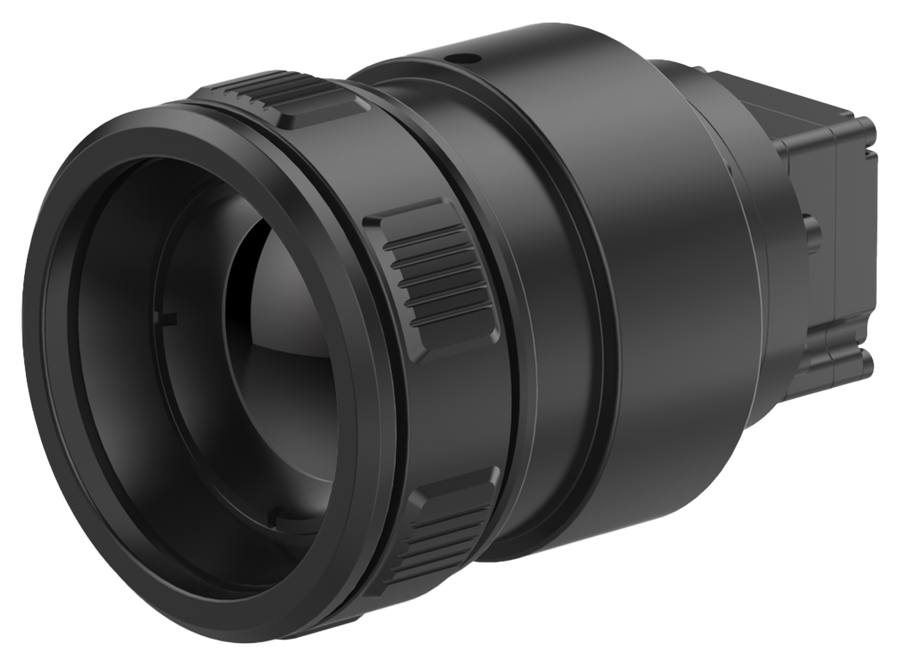
Shutterless Thermal Core

FLUX-384 — 384×288 Shutterless LWIR Thermal Core

Long-wave IR (LWIR): 8–14 μm

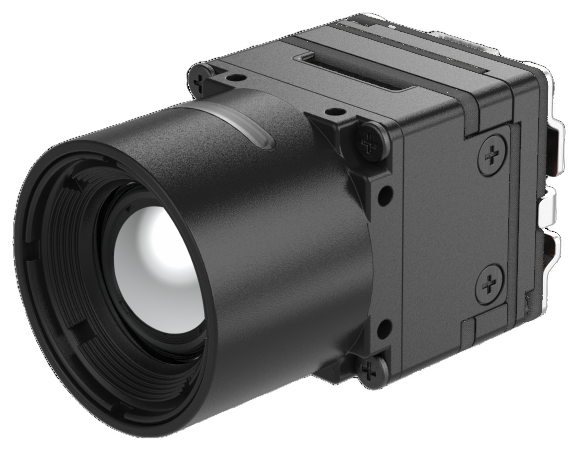
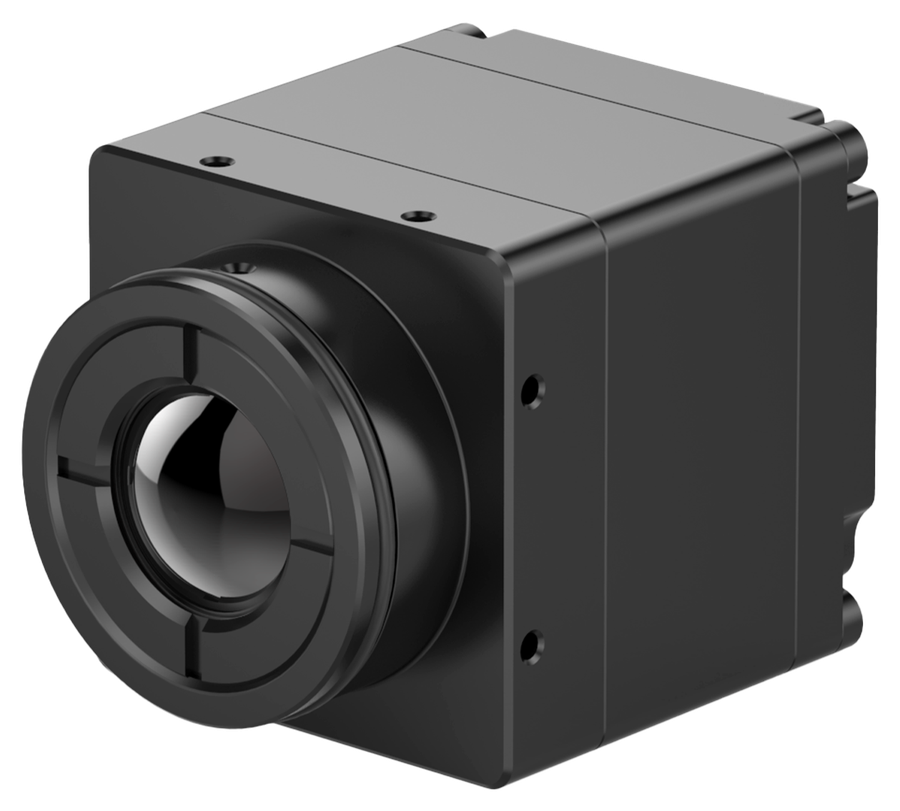
FLUX-384 is a 384×288/12μm VOx uncooled LWIR core built for uninterrupted observation: scene-based SFFC shutterless correction removes the mechanical shutter — no freeze-frame, no click, no calibration pause. 50 Hz output, NETD ≤30 mK, ≤0.8 W from a 2.7~5.3 V rail, with a full sighting feature set (reticles, PiP, hot tracking, zeroing) and direct Micro-OLED drive in a 25.4 × 25.4 × 22.7 mm body.

FLUX-384
384×288
Resolution
≤30 mK
NETD
Shutterless
SFFC Correction
≤0.8 W
Power Draw
Wafer-level (WLP)
Detector package

Overview

The FLUX series is built around one idea: the image should never blink. Instead of a mechanical shutter, a scene-based SFFC (shutterless flat-field correction) algorithm continuously maintains uniformity — no freeze-frame during calibration, no click, no moving part to wear out, and no moment where the operator loses the picture. The FLUX-384 pairs a 384×288/12μm wafer-level-packaged (WLP) VOx detector (NETD ≤30 mK, 50 Hz) with a complete imaging pipeline (NUC/DRC/DNS/DDE plus super-resolution) and a sighting-ready feature set: 10 reticle styles with adjustable brightness and color, picture-in-picture with reticle, hot-spot tracking, zeroing and one-key restore. It drives Micro-OLED viewfinders directly (MDP03/MDP02, SVGA060, Sony ECX334A, IBOE VX039FHP-NH4 via MIPI) and exposes DVP/BT.656/BT.1120, USB 2.0 and MIPI-DSI video on a single 50-pin connector — with SDI/HDMI/GigE/Camera Link extension boards for hosts that need them.

Key Features

Shutterless SFFC Correction

  • Scene-based flat-field correction — no mechanical shutter, no freeze-frame, no audible click
  • Continuous, uninterrupted observation: the picture never pauses for calibration
  • No moving parts in the correction path — higher reliability, silent for hunting and surveillance
  • Shutter module still available as an option for hosts requiring hardware NUC

Complete Imaging Pipeline

  • NUC / DRC / DNS / DDE + SFFC algorithms, plus super-resolution for finer detail
  • 10 palettes: White Hot / Lava / Iron Red / Hot Iron / Medical / Arctic / Rainbow 1 / Rainbow 2 / Red Trace / Black Hot
  • E-zoom ×1/×2/×4/×8 centered on the reticle; horizontal / vertical / diagonal mirror
  • Auto or manual brightness and contrast; manual compensation mode

Sighting-Ready Feature Set

  • 10 reticle styles × 10 brightness levels × 5 colors (red/blue/yellow/black/white), parameters saved
  • Picture-in-picture (top-left / top-center / top-right) with reticle inside PiP
  • Hot-spot tracking, zeroing and one-key parameter restore
  • Custom menu design, CN/EN menu languages, ≥4 buttons (power/menu/custom), sleep mode

SWaP + Display & Interface

  • 25.4 × 25.4 × 22.7 mm bare core, ≤26 g ± 1.5 g; ≤0.8 W from DC 2.7~5.3 V — battery-friendly
  • Direct Micro-OLED drive: MDP03 / MDP02 / SVGA060 / Sony ECX334A, IBOE VX039FHP-NH4 via MIPI
  • Video out: DVP8 / BT.656 / DVP16 / BT.1120 / USB 2.0 / MIPI-DSI 4-lane; comm: TTL-232 / USB 2.0
  • Extension boards: USB 2.0 / SDI / HDMI / GigE / Camera Link / VPC / MIPI-CSI 2-lane

Technical Specifications

Thermal Imaging

Sensor Type Vanadium oxide (VOx) uncooled microbolometer, wafer-level package (WLP)
Detector Array 400×300
Effective Resolution 384×288
Pixel Pitch 12 μm
Spectral Band 8~14 μm
NETD ≤30 mK (@25℃, F1.0)
Frame Rate 50 Hz
Start-up Time ≤6 s

Shutterless Imaging Pipeline

Correction Shutterless — scene-based SFFC, no mechanical shutter required
Image Algorithms NUC / DRC / DNS / DDE / SFFC
Super-resolution Supported
Digital Video Formats YUV420 / YUV422 / RGB888 / RAW
Palettes 10 palettes: White Hot / Lava / Iron Red / Hot Iron / Medical / Arctic / Rainbow 1 / Rainbow 2 / Red Trace / Black Hot
E-zoom ×1 / ×2 / ×4 / ×8, centered on reticle
Mirror / Flip Horizontal / vertical / diagonal
Brightness / Contrast Auto / manual
Compensation Mode Manual

Sighting & OSD Functions

Reticles 10 styles × 10 brightness levels × 5 colors (red / blue / yellow / black / white), savable
Picture-in-Picture Top-left / top-center / top-right, reticle inside PiP
Hot-spot Tracking Supported
Zeroing / One-key Restore Supported
Buttons ≥4 buttons (power / menu / custom)
Menu Custom design, CN/EN languages
Sleep Mode Supported

Interfaces & Display

Connector 50-pin (BP040SB-50-0114-B-R0)
Recommended Mating Connector BS040SB-50-0390-B-R0
Communication TTL-232 / USB 2.0
Digital Video DVP8 / BT.656 / DVP16 / BT.1120 / USB 2.0 / MIPI-DSI 4-lane
USB Video / Control UVC video + CDC control
Extension Boards USB 2.0 / SDI / HDMI / GigE / Camera Link / VPC / MIPI-CSI 2-lane
OLED Drive I2C, 16/24-bit parallel, datavalid — direct drive for MicroOLED MDP03/MDP02, SVGA060, Sony ECX334A; MIPI drive for IBOE VX039FHP-NH4
Host Software / SDK Windows host tool; USB 2.0 SDK for Windows & Linux

Power, Physical & Environmental

Supply Voltage DC 2.7 ~ 5.3 V
Power Consumption ≤0.8 W (@5 V, 50 Hz, 23±3℃)
Optional-shutter Transient Power ≤2.2 W for <1 s
Dimensions (bare core) 25.4 × 25.4 × 22.7 mm
Dimensions (lensed config) ≤φ36 × 24.3 mm
Weight (bare core) ≤26 g ± 1.5 g
Weight (lensed config) ≤28 g ± 1.5 g
Operating Temperature -40℃ ~ +70℃
Storage Temperature -45℃ ~ +85℃
Humidity 5% ~ 95% RH (non-condensing)
Vibration 5.35 g random, 3-axis
Shock Half-sine 40 g / 11 ms (X-axis ×3); 1500 g @ 0.4 ms (without lens)
Ingress Protection IP67 (front lens)
Shutter Module Optional
Certifications RoHS 2.0 / REACH

Lens Options

All lenses are matched to the 12 μm pixel pitch of this core; FOVs computed per focal length. A shutter module is available as an option for hosts that still require hardware NUC.

Athermalized Fixed Lenses

Focal Length Field of View
4.8 mm 51.3° × 39.6°
9.1 mm 28.4° × 21.5°
13 mm 20.1° × 15.1°
19 mm 13.8° × 10.4°
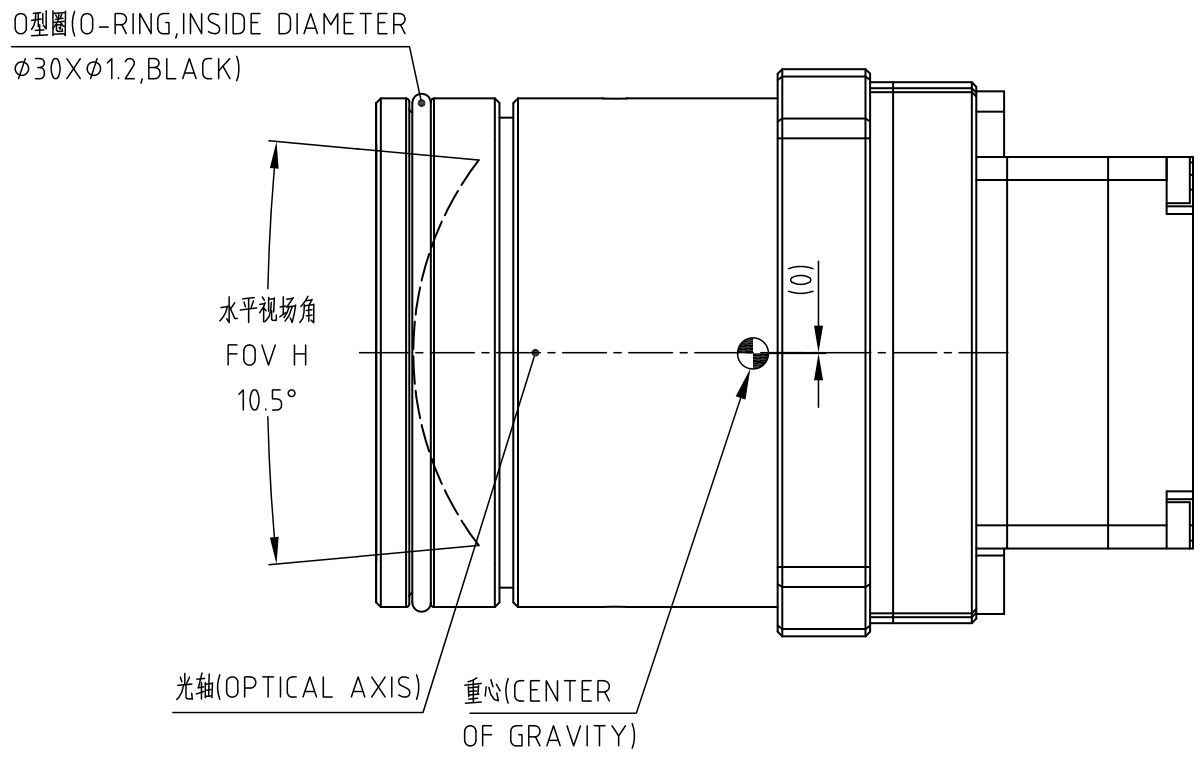
25 mm 10.5° × 7.9°
35 mm 7.5° × 5.7°

Extension Boards

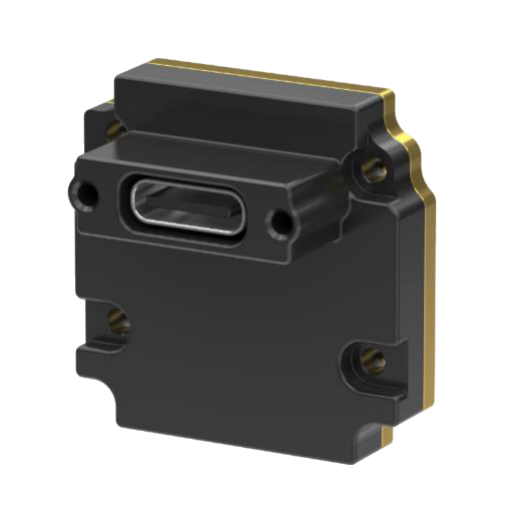
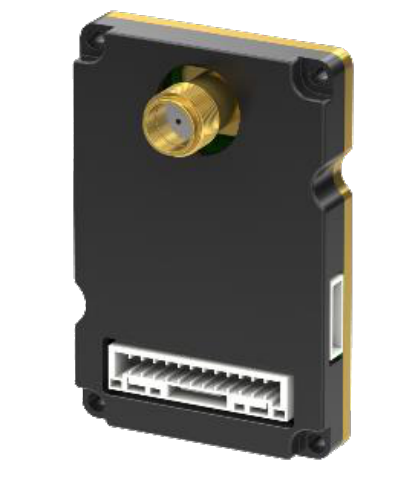
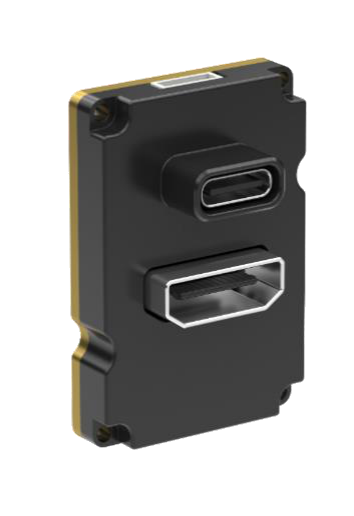
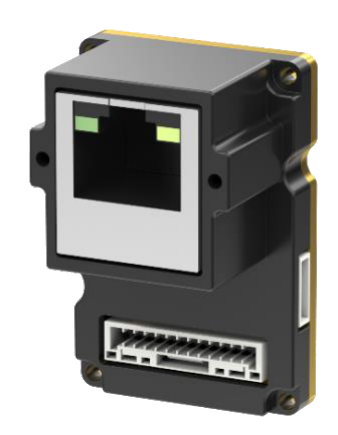
Optional interface boards adapt the core to your host system through the 50-pin connector — no redesign of the core electronics required.

USB 2.0
USB 2.0
  • Type-C connector, UVC protocol — driver-free on Windows
  • Control via USB virtual serial port (CDC)
  • Power consumption: TBD by manufacturer
  • On-board hot-plug and surge protection

Turns the core into a plug-and-play USB camera for quick evaluation and host-software integration.

SDI
SDI
  • HD-SDI / 3G-SDI output
  • Up to 1080p @ 50/60 Hz
  • Power consumption ≈0.6 W

Broadcast-grade digital video over coax for long cable runs.

HDMI
HDMI
  • HDMI high-definition video output
  • Supports core control and configuration through the board
  • Power consumption: TBD by manufacturer

Direct connection to standard monitors and recording equipment.

GigE
GigE
  • Gigabit Ethernet, GigE Vision protocol
  • Power consumption: TBD by manufacturer

Networked video streaming for integration into IP-based systems.

Camera Link
Camera Link
  • High-speed Camera Link interface
  • On-board multi-frame buffering
  • ≤250 mW @ 5 V

For machine-vision and high-frame-rate capture hosts.

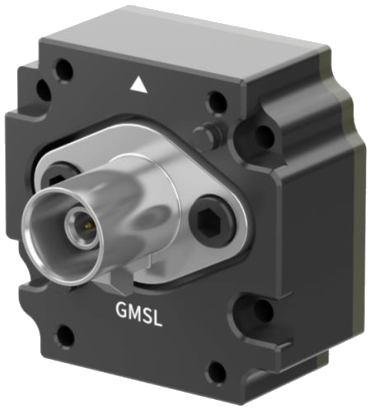
GMSL
GMSLNot available on FLUX-384
  • FAKRA Z-type connector
  • Video + communication + power over a single coax cable
  • ≤600 mW @ 12 V

Automotive-grade serialized link for vehicle integration.

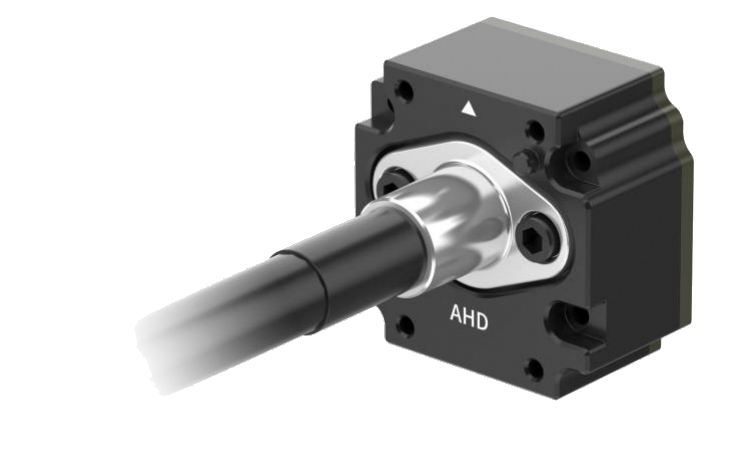
AHD
AHDNot available on FLUX-384
  • AHD-M 720p / AHD-H 1080p analog HD output
  • 6-pin aviation connector
  • ≤850 mW @ 12 V

For vehicle 360° surround-view and analog surveillance systems.

VPC and MIPI-CSI 2-lane extension boards are also available — please contact us for details.

Mechanical Dimensions

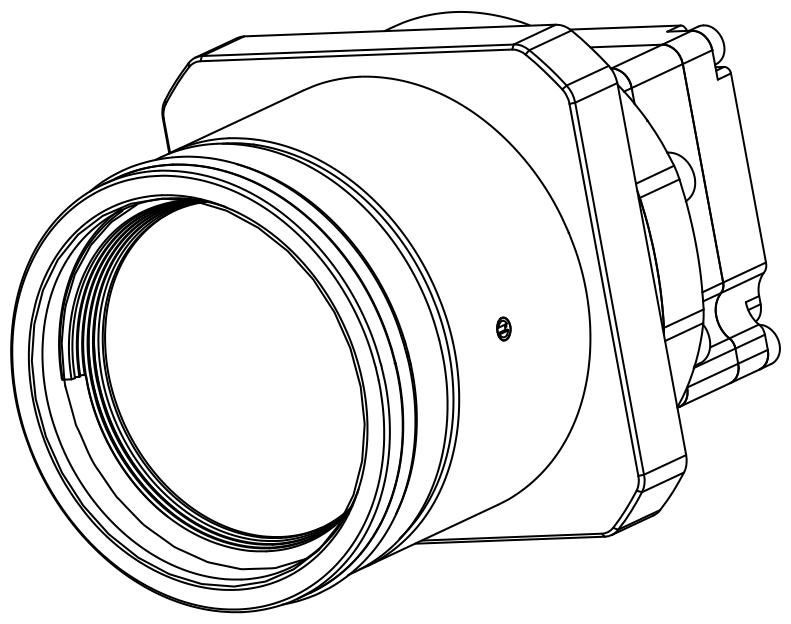
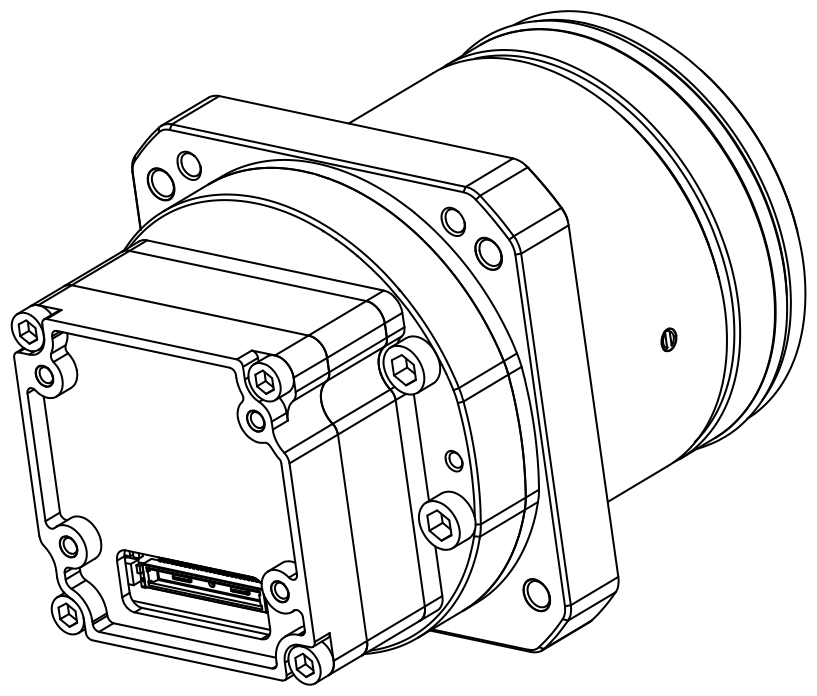
Isometric — lens side — FLUX-384
Isometric — lens side
Isometric — connector side — FLUX-384
Isometric — connector side
Top view — FLUX-384
Top view
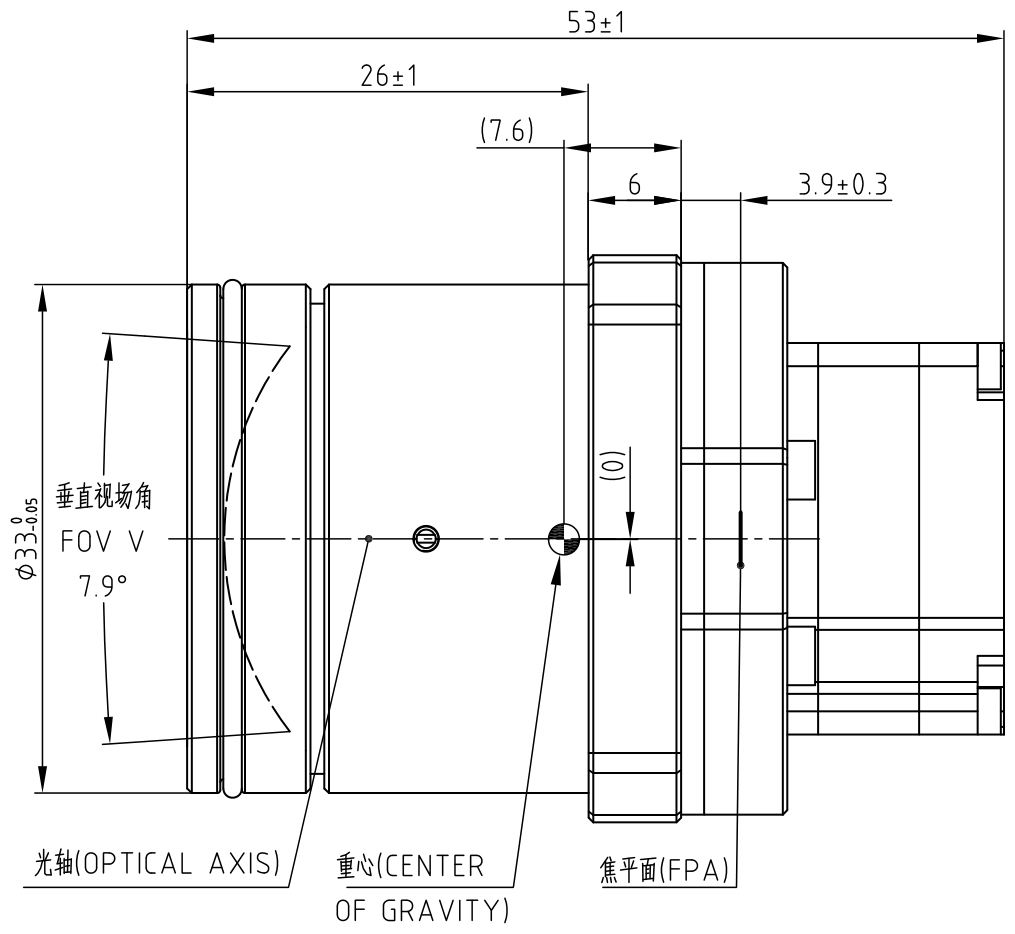
Side view — FLUX-384
Side view
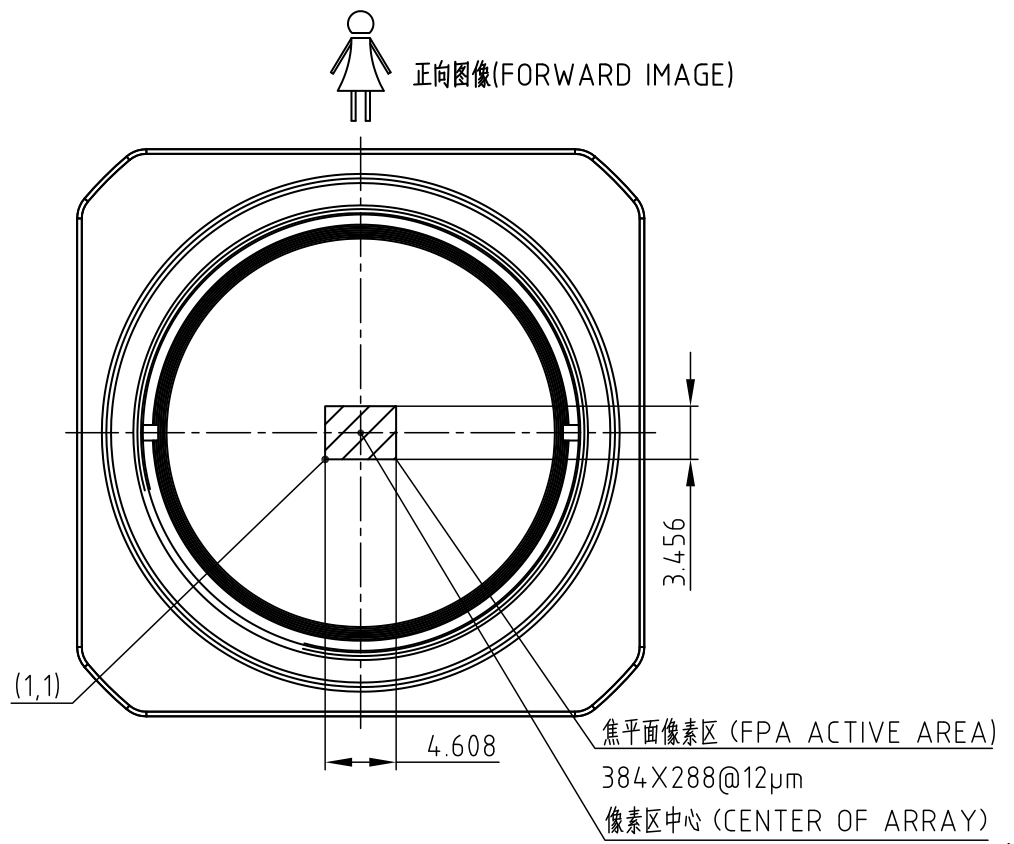
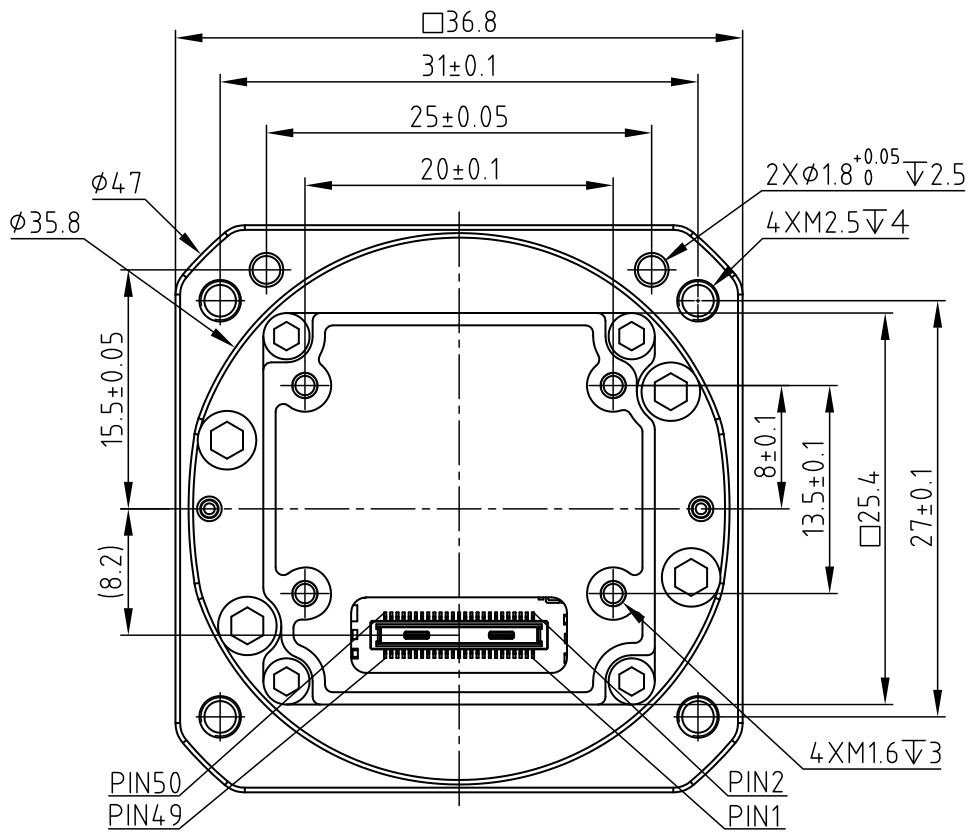
Front view (lens side) — FLUX-384
Front view (lens side)
Rear view (connector side) — FLUX-384
Rear view (connector side)

Configuration Notes

  1. Bare core: 25.4 × 25.4 × 22.7 mm, ≤26 g ± 1.5 g.
  2. Lensed configuration: ≤φ36 × 24.3 mm, ≤28 g ± 1.5 g.
  3. Drawings above show the reference lens sample: 25 mm F1.0 athermalized (overall length 53 ± 1 mm incl. lens).
  4. Drawings and parameters for other lens options are available on request — please contact us.

Specifications subject to change without notice.

Related Products

FLUX-640 640×512 Shutterless LWIR Thermal Core, SFFC, 12μm VOx
Shutterless Thermal Core
Wafer-level (WLP)

FLUX-640 640×512 Shutterless LWIR Thermal Core, SFFC, 12μm VOx

FLUX-640

FLUX-640 is a 640×512/12μm VOx uncooled LWIR core built for uninterrupted observation: scene-based SFFC shutterless correction removes the mechanical shutter — no freeze-frame, no click, no calibration pause. 50 Hz output, NETD ≤20 mK, ≤0.8 W from a 2.7~5.3 V rail, with a full sighting feature set (reticles, PiP, hot tracking, zeroing) and direct Micro-OLED drive in a 25.4 × 25.4 × 22.7 mm body.

Resolution
640×512
NETD
≤20 mK
Correction
Shutterless SFFC
Power
≤0.8 W
FLUX-1280 1280×1024 Shutterless LWIR Thermal Core, SFFC, 12μm VOx
Shutterless Thermal Core
Wafer-level (WLP)

FLUX-1280 1280×1024 Shutterless LWIR Thermal Core, SFFC, 12μm VOx

FLUX-1280

FLUX-1280 is a 1280×1024/12μm VOx uncooled LWIR core built for uninterrupted observation: scene-based SFFC shutterless correction removes the mechanical shutter — no freeze-frame, no click, no calibration pause. 50 Hz output, NETD ≤30 mK, ≤1.2 W from a 2.7~5.3 V rail, with a full sighting feature set (reticles, PiP, hot tracking, zeroing) and direct Micro-OLED drive in a 38 × 39 × 28 mm body.

Resolution
1280×1024
NETD
≤30 mK
Correction
Shutterless SFFC
Power
≤1.2 W
TYNI-640-9U Ultra-Compact 640×512 LWIR Module, 9.1mm, USB 2.0
Ultra-Compact Uncooled LWIR
Wafer-level (WLP)

TYNI-640-9U Ultra-Compact 640×512 LWIR Module, 9.1mm, USB 2.0

TYNI-640-9U

TYNI-640-9U packs a 640×512/12μm uncooled LWIR core into a 17.3×17.3mm footprint with a 9.1mm F1.0 lens and USB 2.0 video at 50 Hz, from 13.8 g — built for drones and embedded thermal integration.

Resolution
640×512
FOV
47.7°×38.2°
NETD
≤40 mK
Weight
13.8 g

Typical Applications

Each card above links to a dedicated application page covering integration considerations, recommended module pairings and typical configurations. Don't see your scenario? Contact us for a tailored proposal.

Interested in FLUX-384?

Contact our engineering team to discuss integration requirements, custom configurations, and volume pricing.