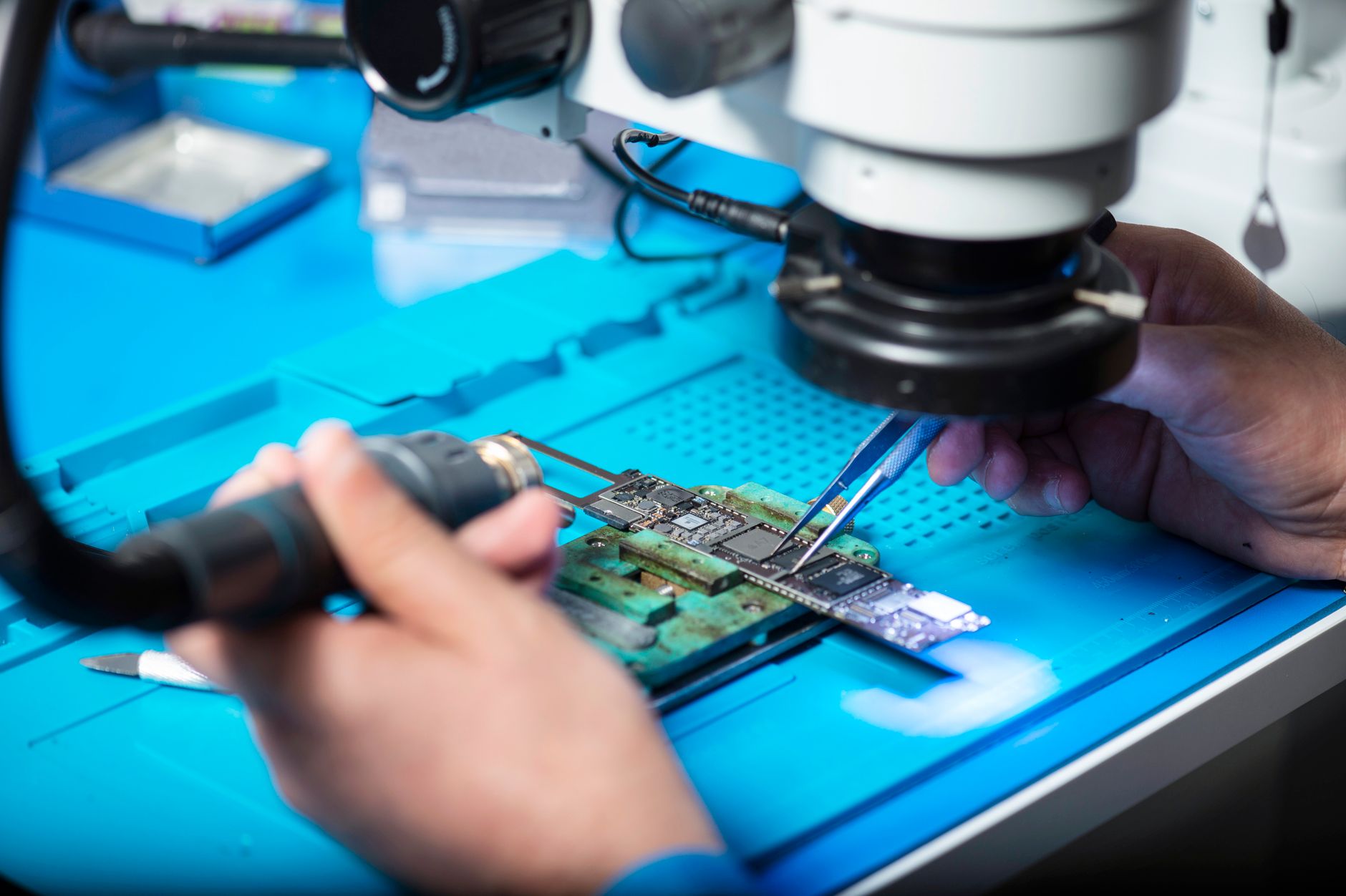
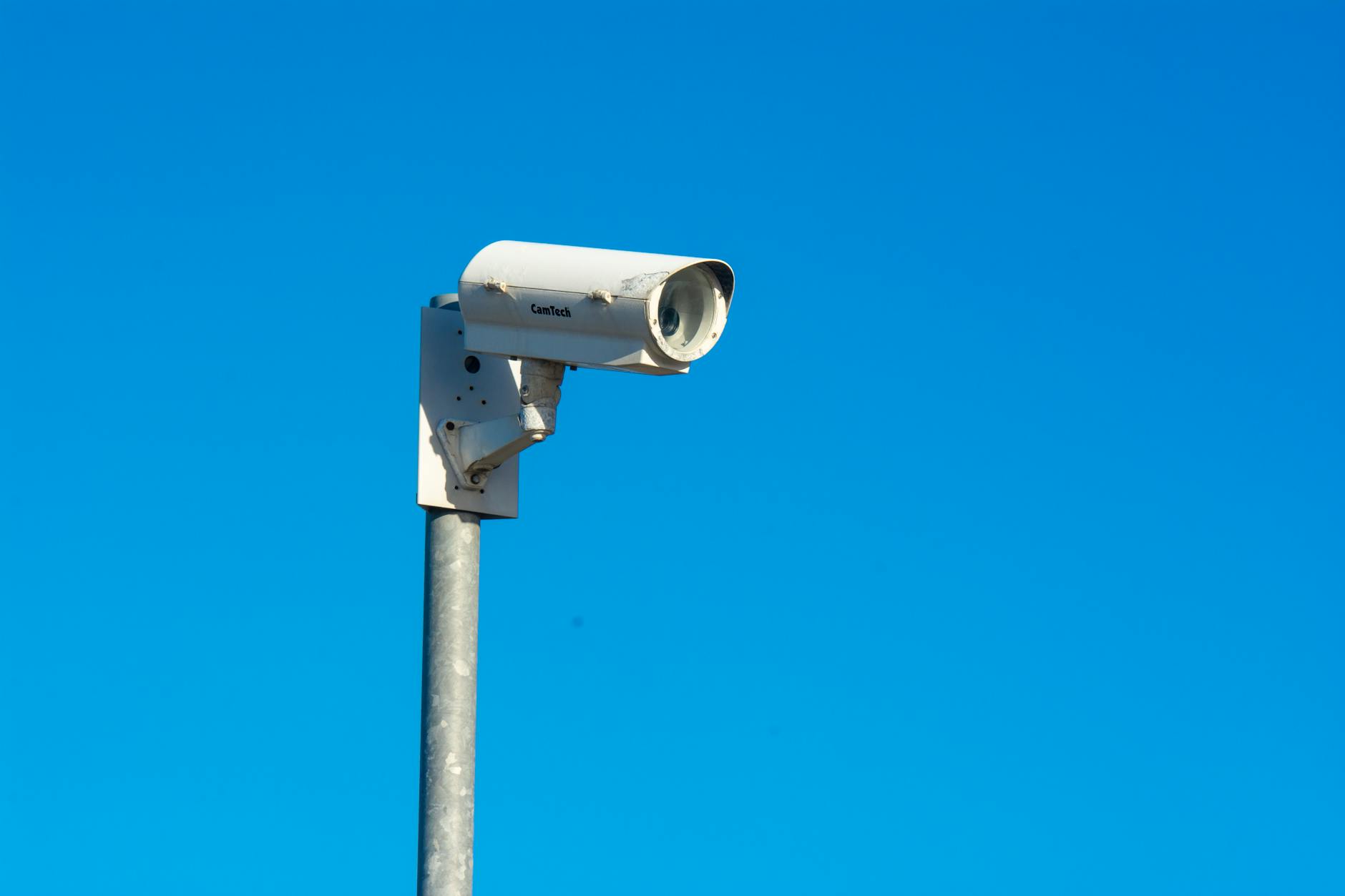
Thermal imaging for maritime surveillance enables detection and situational awareness when visible cameras are limited by darkness, glare, backlighting, or partially obscured targets. For OEM engineers, the main design task is not simply choosing a higher-resolution sensor, but matching spectral band, detector format, optics, interface, stabilization, image processing, and environmental packaging to the actual operating range and target set: small boats, floating debris, people in water, port infrastructure, ship superstructures, or distant surface contacts.
How Does Thermal Imaging for Maritime Surveillance Work?
Thermal cameras detect infrared radiation emitted or reflected by objects and convert the signal into a temperature-related image. In maritime scenes, the practical value comes from thermal contrast rather than absolute temperature measurement. A small craft, engine housing, human body, exhaust plume, or recently sun-heated structure can appear different from the surrounding sea surface, sky, or coastline even when there is little visible light.
Maritime surveillance systems typically combine a thermal module with a daylight camera, pan-tilt unit, stabilization, range measurement, video analytics, and network or video output. The thermal module supplies the core image stream. The host system handles target tracking, operator display, recording, metadata, and integration into radar, AIS, VMS, or command-and-control software.
Unlike land applications, the sea background is dynamic. Waves create changing highlights, horizon lines are critical for operator interpretation, and humidity can reduce long-range contrast. The camera must also tolerate vibration, salt fog, temperature cycling, and strong solar loading. These factors make module-level specifications such as NETD, detector pitch, frame rate, calibration behavior, and video latency directly relevant to system performance.
For OEMs building compact coastal, vessel-mounted, or fixed-site systems, uncooled LWIR modules such as the SPECTRA L06A 640×512 LWIR 12μm can provide practical night observation and short-to-medium-range detection in a simpler integration envelope. For wider-area surveillance or higher pixel density, the SPECTRA L12NT 1280×1024 LWIR supports larger fields of view or higher sampling on distant targets when paired with suitable optics.
LWIR vs MWIR for Maritime Surveillance: Which Band Fits the Mission?
Long-wave infrared, commonly 8–14 μm, is widely used in uncooled thermal cameras. LWIR is suitable for many maritime surveillance tasks because it provides passive imaging without a cryocooler, lower power consumption, and simpler mechanical design. It is often selected for harbor monitoring, small-vessel awareness, navigation assistance, perimeter observation, and search-and-rescue support at moderate ranges.
Mid-wave infrared, commonly 3–5 μm, is usually implemented with cooled detectors for surveillance-grade systems. Cooled MWIR can offer higher sensitivity, better long-range target discrimination, and stronger performance for small targets when optics and stabilization are correctly specified. It is often used where detection range, recognition range, or narrow-field observation is the primary driver, such as coastal security, offshore platform monitoring, and long-range vessel tracking.
The trade-off is system complexity. Cooled MWIR modules require a cryocooler, warm-up time, higher power budget, and lifecycle planning for cooler operating hours. They also impose mechanical and thermal design constraints on the OEM enclosure. In return, they can support longer focal lengths, smaller instantaneous fields of view, and improved small-target imaging under many conditions.
For long-range systems, a cooled module such as the SPECTRA M06A 640×512 Cooled MWIR 15μm can be appropriate when the application requires narrow-field surveillance and high sensitivity. Higher-resolution cooled options such as the SPECTRA M12A 1280×1024 Cooled MWIR are relevant when the system must maintain field coverage while preserving angular sampling on small maritime targets.
Band selection should be validated against the mission profile rather than treated as a generic hierarchy. Atmospheric absorption, humidity, sea temperature, target size, observation height, lens aperture, stabilization error, and display processing all affect final performance. Published detector characterization methods such as EMVA 1288 are useful for comparing camera performance metrics, but maritime range performance still requires application-specific modeling and field testing.
What Detector Resolution and Lens Parameters Matter at Sea?
Resolution affects how many pixels cover a target, but optics determine how those pixels map into angular space. A 1280×1024 detector does not automatically provide longer detection range than a 640×512 detector if the lens focal length, aperture, image processing, and stabilization are not matched to the task. For maritime surveillance, engineers should begin with target size, required probability of detection, field of view, and platform motion.
A wide field of view is valuable for navigation support, harbor overview, and near-field obstacle awareness. A narrow field of view is better for identification support and long-range observation. Many operational systems therefore use continuous zoom optics or pair thermal imaging with radar cueing so the thermal camera can search broadly and then inspect a selected bearing.
Detector pitch also matters. Smaller pixel pitch can reduce module size and support compact optics, but optical quality, diffraction, detector sensitivity, and manufacturing tolerances become more important. Larger pixels may support high sensitivity and longer focal length designs, but can increase optical size for the same field of view. The correct choice depends on whether the OEM product is optimized for compact integration, long-range detection, or multi-sensor payload balance.
NETD is often used as a sensitivity indicator, but it should not be read in isolation. Maritime scenes include low-contrast targets, reflected sky radiation, sun glint, spray, and moving backgrounds. Image quality also depends on non-uniformity correction, bad-pixel replacement, temporal filtering, dynamic range handling, and contrast enhancement. Aggressive enhancement can make images appear sharper to operators while increasing false alarms in analytics pipelines.
Latency is another design parameter. A stabilized pan-tilt system, remote weapon station, USV payload, or AI tracking platform needs predictable video delay. Frame rate, onboard processing, interface choice, encoder settings, and network transport all contribute. OEMs should test the complete chain, not only the module output.
When to Use Dual-Band or AI Thermal Imaging on Vessels and Shore Sites?
Dual-band imaging is useful when one sensor modality cannot cover the complete operating envelope. A visible camera can provide color, markings, lights, and human-readable context during daylight or illuminated night scenes. A thermal camera provides contrast in darkness and against visually cluttered backgrounds. Combining the two improves operator interpretation and can support more robust detection algorithms.
For compact electro-optical systems, a dual-band module such as FUSION LV1225A 1280×1024+2560×1440 can reduce integration effort by aligning thermal and visible imaging paths within a module-level architecture. This is relevant for maritime products where size, weight, power, calibration, and interface management are constrained.
AI-enabled imaging can assist with detection, classification, tracking, and event filtering. In maritime surveillance, AI must be designed carefully because wakes, buoys, birds, wave crests, harbor lights, and reflections can create false positives. A model trained only on clean examples may not generalize to fog, rain, low thermal contrast, or rough seas. OEMs should treat AI as part of a sensing pipeline that includes sensor quality, synchronization, calibration, metadata, and validation datasets.
Systems such as the NEXUS LV0619B AI multi-band Ethernet/SDI are relevant where the product requires embedded processing, multi-band inputs, and standard video or network output. For surveillance networks, interface compatibility is important. The ONVIF profiles provide a practical reference point for IP video interoperability, although each implementation still needs validation against the target VMS and cybersecurity requirements.
How Do Environmental Conditions Affect Maritime Thermal Cameras?
Maritime environments impose optical, mechanical, and algorithmic constraints. Water vapor and aerosols attenuate infrared transmission, especially over long horizontal paths close to the sea surface. Fog and heavy rain can significantly reduce detection range in both thermal and visible bands. Sea spray can contaminate windows, and salt deposits can reduce transmission or create flare.
The optical window material and coating must match the spectral band. LWIR windows, MWIR windows, and visible windows have different material choices and transmission behavior. The window must also withstand cleaning, abrasion, pressure washing, vibration, and thermal shock. A poorly selected window can degrade the modulation transfer function, increase reflections, or introduce thermal gradients that affect image uniformity.
Stabilization is often as important as detector sensitivity. On vessels, camera motion can reduce effective resolution and make narrow-field imaging difficult. Gyro-stabilized mounts, electronic stabilization, high frame rates, and rigid mechanical coupling all contribute to usable imagery. Shore-based systems have fewer motion problems but still require wind-load analysis, mast vibration control, and accurate alignment with radar or map coordinates.
Calibration behavior should also be considered early. Uncooled thermal cameras often use non-uniformity correction, sometimes with a shutter. Shutter events can briefly interrupt imagery, which may matter for tracking or operator confidence. Shutterless or minimized-interruption designs can be valuable, but they require robust compensation for sensor drift and changing scene conditions. Cooled systems have different calibration and maintenance considerations, including cooler status monitoring and thermal design around the dewar and electronics.
Maritime installations should be tested across realistic conditions: night and day, calm and rough water, harbor and open water, low sun angle, rain, fog, and high humidity. Laboratory measurements are necessary, but they do not replace field validation over water.
How to Select an OEM Thermal Module for Maritime Surveillance
OEM selection should start with a detection model and a mechanical integration model. The detection model defines target dimensions, range bands, probability requirements, field of view, pixel criteria, atmospheric assumptions, and operator or algorithm workflow. The mechanical model defines enclosure size, heat path, power budget, vibration, sealing, connector strategy, lens control, and maintainability.
Uncooled LWIR is often the practical baseline for compact, lower-power maritime systems. Cooled MWIR is better suited when long-range detection and high sensitivity justify the added cost and complexity. Dual-band systems are appropriate when operator interpretation, target classification, and day-night continuity are important. AI-enabled systems are appropriate when the customer needs event filtering, assisted tracking, or reduced operator workload, provided the model is trained and validated on representative maritime data.
The best module is therefore the one whose spectral band, resolution, optics, interface, and processing match the complete surveillance task. For OEM teams, the selection process should connect sensor specifications to measurable outcomes: range, field coverage, latency, false alarm rate, maintainability, and integration risk.
For projects that combine imaging with wide-area detection, Port & Harbor Surveillance explains the complementary radar or multi-sensor layer and how it supports target cueing and operational confirmation.
FAQ
What is the best thermal camera wavelength for maritime surveillance?
There is no universal best wavelength. LWIR is commonly selected for compact, lower-power systems and general night observation. Cooled MWIR is often preferred for long-range surveillance where sensitivity and narrow-field target detection are critical. The correct choice depends on range, target size, weather, optics, platform motion, and cost constraints.
Can thermal imaging detect small boats at night?
Yes, thermal imaging can detect small boats at night when the boat, engine area, occupants, or hull presents enough thermal contrast against the sea background. Detection range depends on detector resolution, lens focal length, atmospheric conditions, sea state, stabilization, and image processing. Small, low-profile boats in humid or rough conditions are more challenging than larger vessels.
Is a cooled thermal camera necessary for coastal surveillance?
A cooled thermal camera is not always necessary. Many harbor, port, and short-to-medium-range coastal applications can use uncooled LWIR modules effectively. Cooled MWIR becomes more relevant when the requirement includes longer detection ranges, smaller targets, narrow-field observation, or higher sensitivity under demanding conditions.
Why combine visible and thermal cameras for maritime security?
Visible cameras provide color, markings, navigation lights, and familiar scene context. Thermal cameras provide passive contrast in darkness and can reveal targets that are hard to see visually. Combining both bands improves operator interpretation and can give AI algorithms more information for detection and classification.
What specifications should OEMs compare before choosing a maritime thermal module?
OEMs should compare spectral band, detector format, pixel pitch, NETD, frame rate, lens options, field of view, interface, latency, calibration behavior, power consumption, environmental limits, and mechanical integration requirements. The final decision should be validated against maritime field conditions, not only datasheet values.