LWIR
All articles filed under LWIR — 64 articles.

How Does Infrared Module Power Consumption Affect System Design?
Infrared module power consumption affects power supply, cooling, battery life, enclosure size, startup margin, and OEM reliability.
Read More →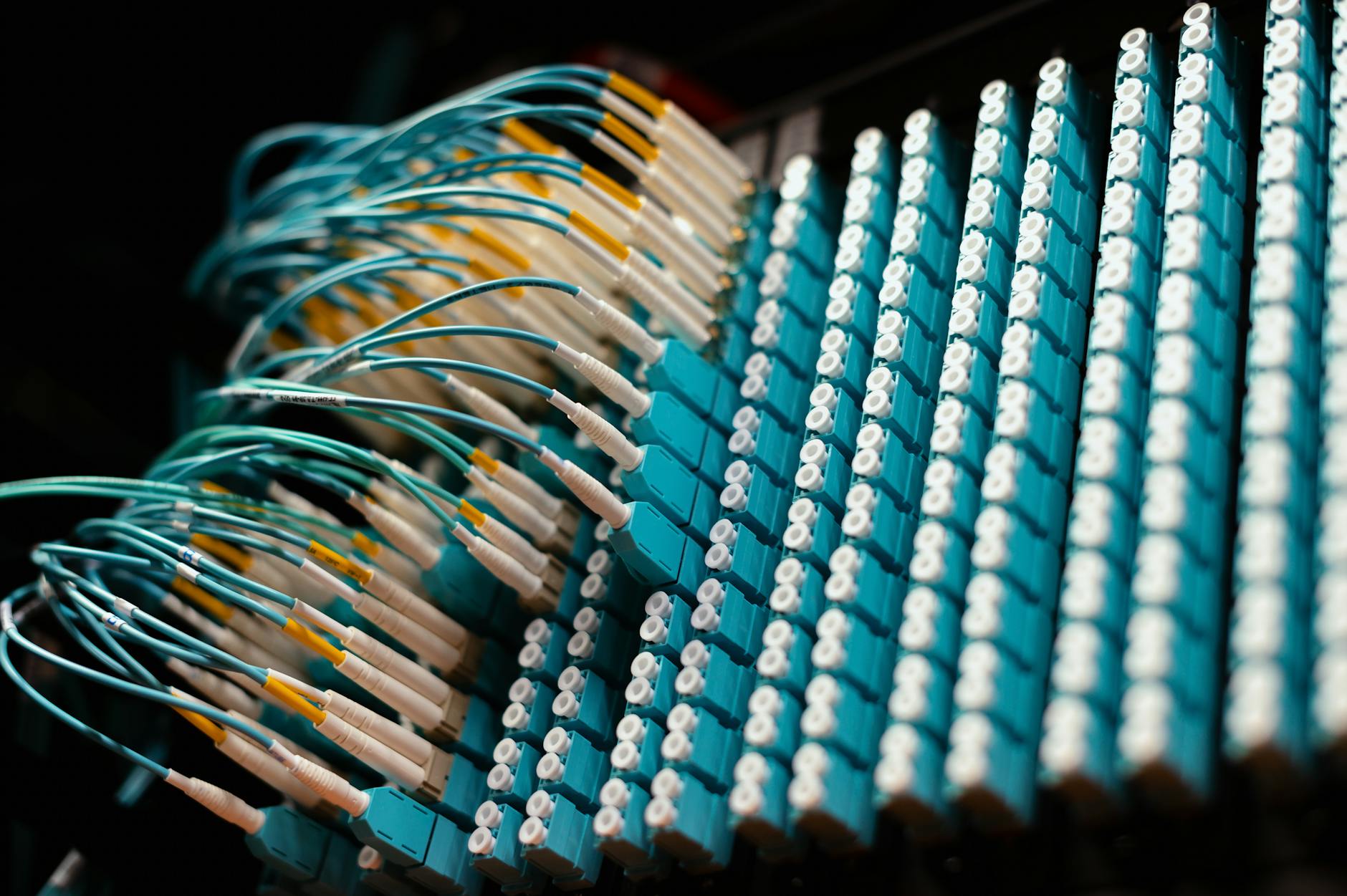
How to Integrate a Thermal Camera Core into an EO/IR System
Learn how to integrate a thermal camera core into an EO/IR system, including interfaces, optics, calibration, latency, and OEM selection trade-offs for OEMs.
Read More →
Thermal Imaging for Ground Robots
Thermal imaging for ground robots improves perception in darkness, smoke, dust, and clutter by matching LWIR, MWIR, SWIR, optics, and interfaces to OEM tasks.
Read More →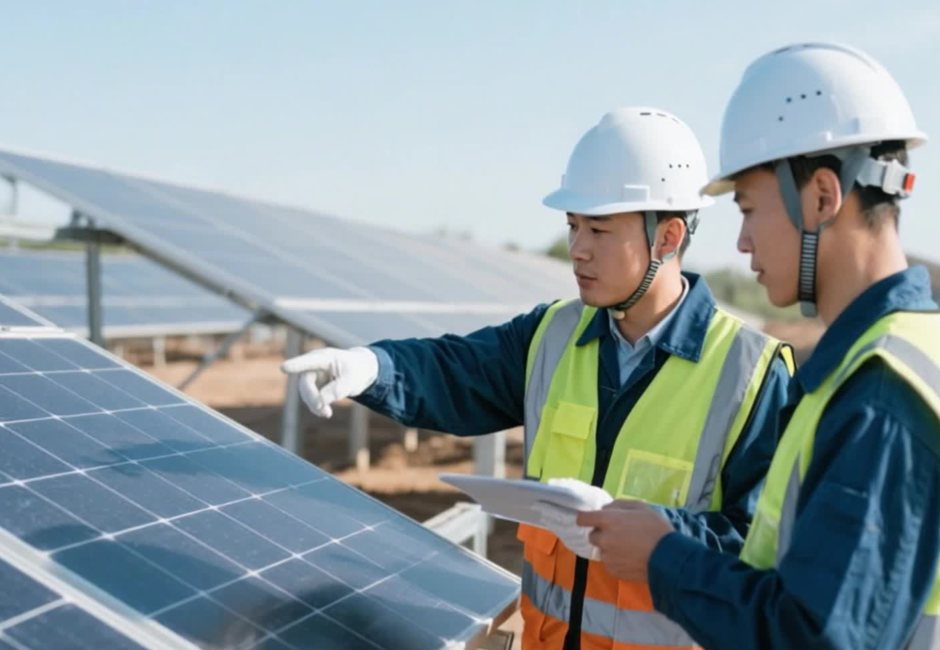
Why Is Infrared Thermography Well Suited for Photovoltaic Panel Inspection?
Photovoltaic panel infrared thermography helps detect hot spots, diode faults, junction-box heating, and UAV inspection risks without shutdown.
Read More →
Thermal Modules for Electrical Inspection
Thermal modules for electrical inspection help OEMs detect hot spots, define radiometric requirements, and design reliable substation and cabinet imagers.
Read More →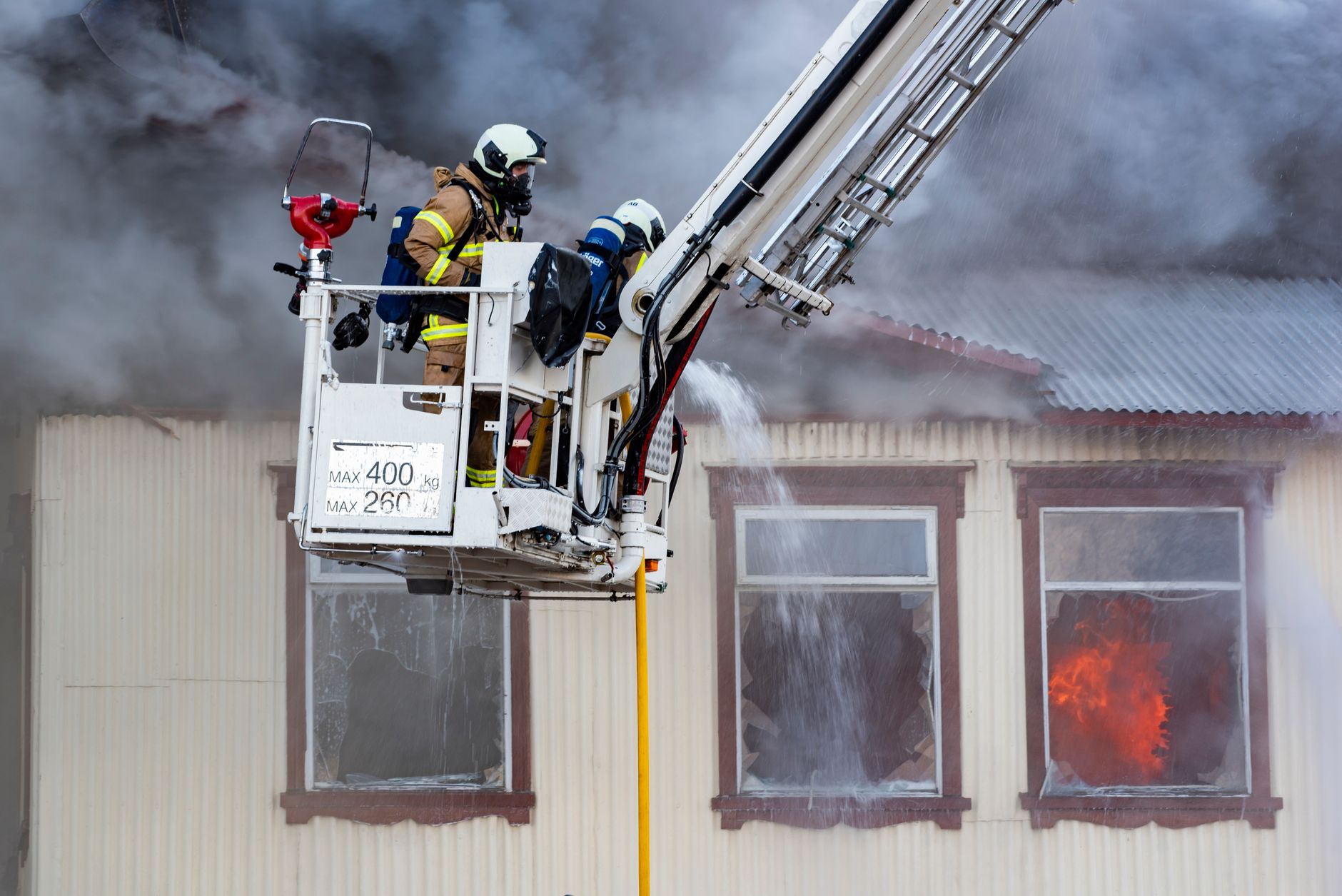
Thermal Camera Modules for Fire Detection
Thermal camera modules for fire detection help OEMs detect heat signatures, smoke-obscured fire, and ignition risk in fixed and mobile systems.
Read More →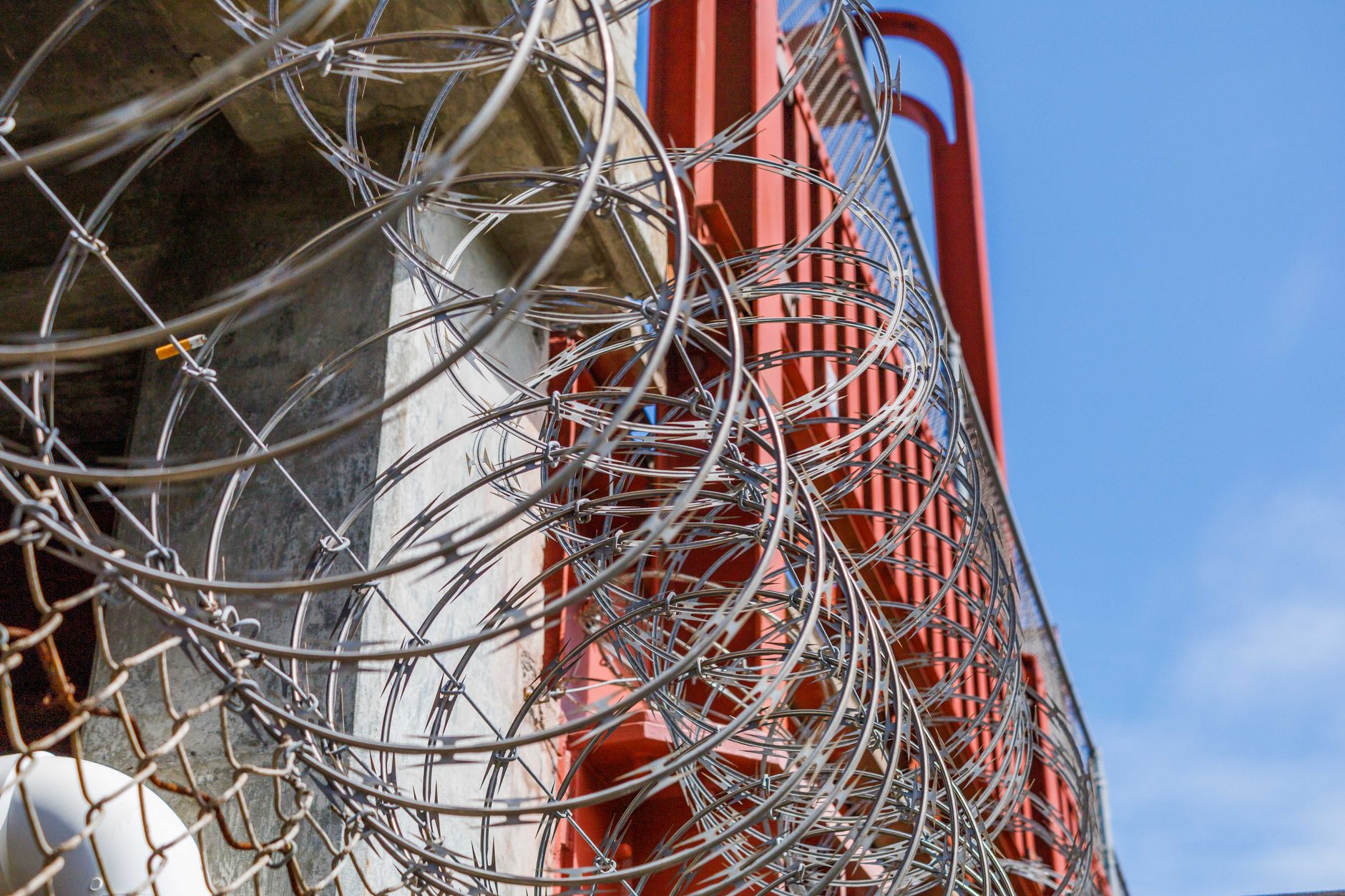
Thermal Imaging for Critical Infrastructure Protection
Thermal imaging for critical infrastructure protection supports perimeter security, asset monitoring, and resilient detection in low visibility.
Read More →
Thermal Camera Modules for Coastal Monitoring
Thermal camera modules for coastal monitoring help OEMs compare LWIR, MWIR, optics, interfaces, calibration, and analytics for harsh marine system designs.
Read More →
What Advantages Does Thermal Imaging Offer in Maritime Surveillance?
Maritime surveillance thermal imaging detects vessels, people, engine heat, and hot spots at night, in glare, light fog, rain, and wave clutter for ports.
Read More →