OEM Integration
All articles filed under OEM Integration — 48 articles.

Frame Rate in Thermal Camera Cores: 9Hz, 25Hz, 30Hz, and 60Hz
Frame rate in thermal camera cores affects motion clarity, latency, bandwidth, export class, and OEM integration choices for IR systems.
Read More →
Is a Higher Infrared Camera Core Frame Rate Always Better?
Explains infrared camera core frame rate for motion targets, integration time, NETD, interface bandwidth, and 30Hz/60Hz/120Hz selection limits.
Read More →
Environmental Protection for Thermal Imaging Systems
Environmental protection for thermal imaging systems covers enclosure ratings, window materials, sealing, thermal design, vibration, corrosion, and trade-offs.
Read More →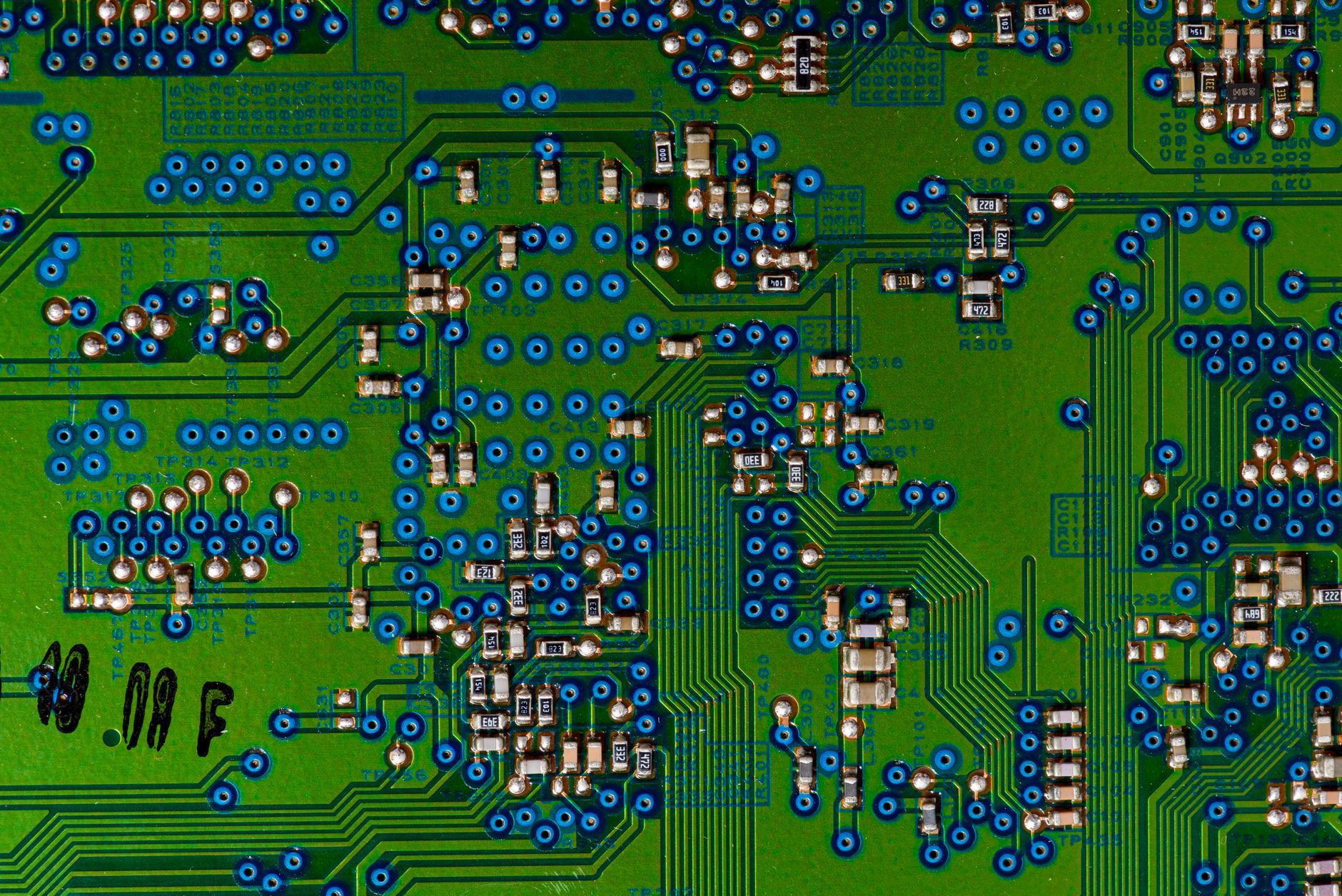
Thermal Management for Infrared Camera Modules
Thermal management for infrared camera modules: control heat paths, detector drift, coolers, and housing design for stable OEM imaging performance goals.
Read More →
Power Consumption in Thermal Camera Cores
Understand power consumption in thermal camera cores, including detector type, cooling, frame rate, processing load, and OEM thermal design trade-offs.
Read More →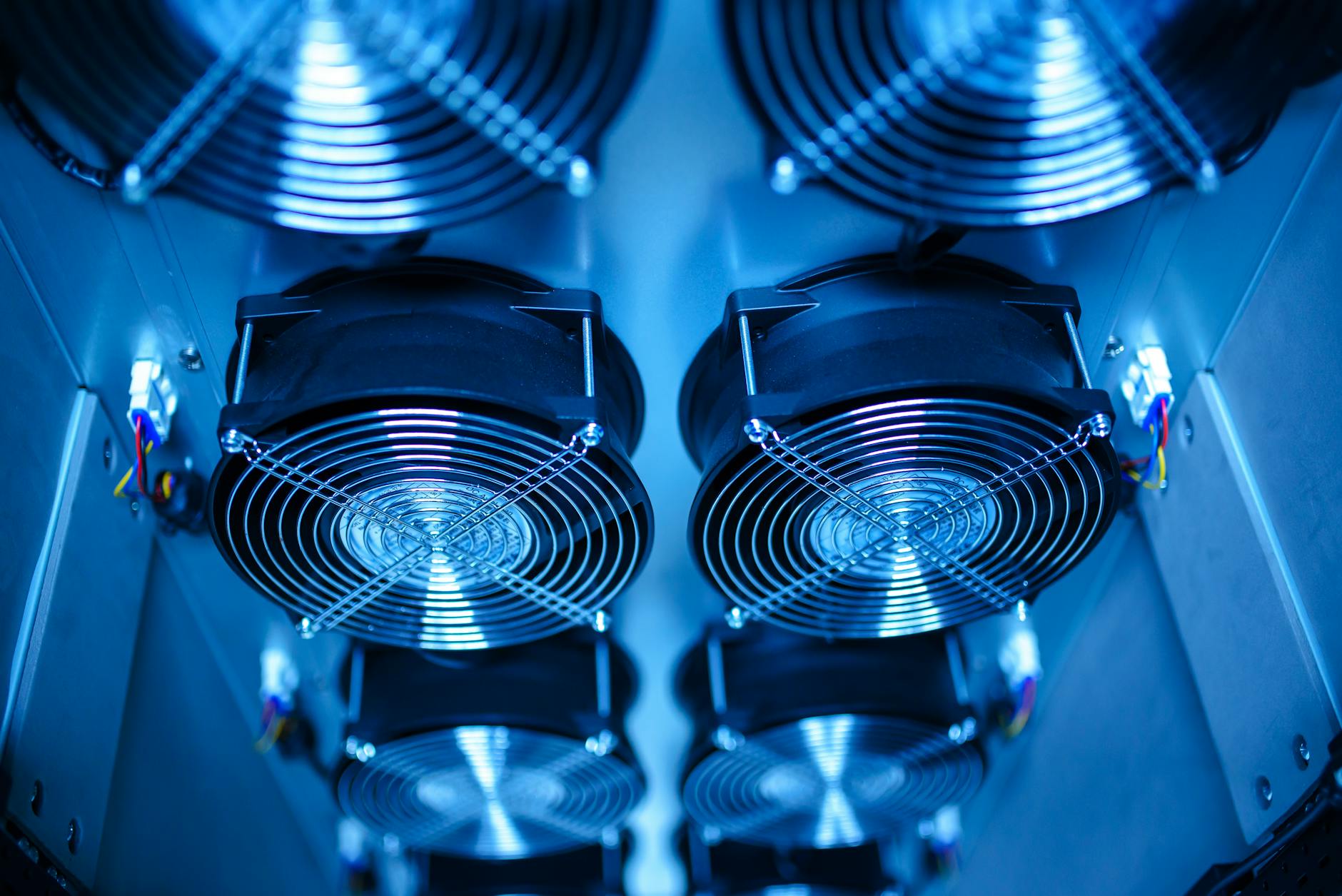
SWaP Considerations in Thermal Camera Modules
SWaP considerations in thermal camera modules, including detector choice, optics, power, cooling, interfaces, and OEM integration trade-offs for embedded OEMs.
Read More →
How to Integrate a Thermal Camera Core into an EO/IR System
Learn how to integrate a thermal camera core into an EO/IR system, including interfaces, optics, calibration, latency, and OEM selection trade-offs for OEMs.
Read More →
Can Infrared Modules Be Used on Drones?
Learn how to choose an infrared module for drones by matching resolution, weight, power, interface, stabilization, and temperature measurement needs.
Read More →
Thermal Imaging for Ground Robots
Thermal imaging for ground robots improves perception in darkness, smoke, dust, and clutter by matching LWIR, MWIR, SWIR, optics, and interfaces to OEM tasks.
Read More →