Thermal Imaging Knowledge Base & Industry News
Technical articles and market insights on infrared thermal imaging: MWIR/LWIR fundamentals, NETD, optics, system integration and EO/IR procurement guides.

How to Buy Thermal Camera Modules from China
Learn how to buy thermal camera modules from China for OEM projects, from requirements and supplier qualification to samples, compliance, logistics, and lifecycle support.
Read More →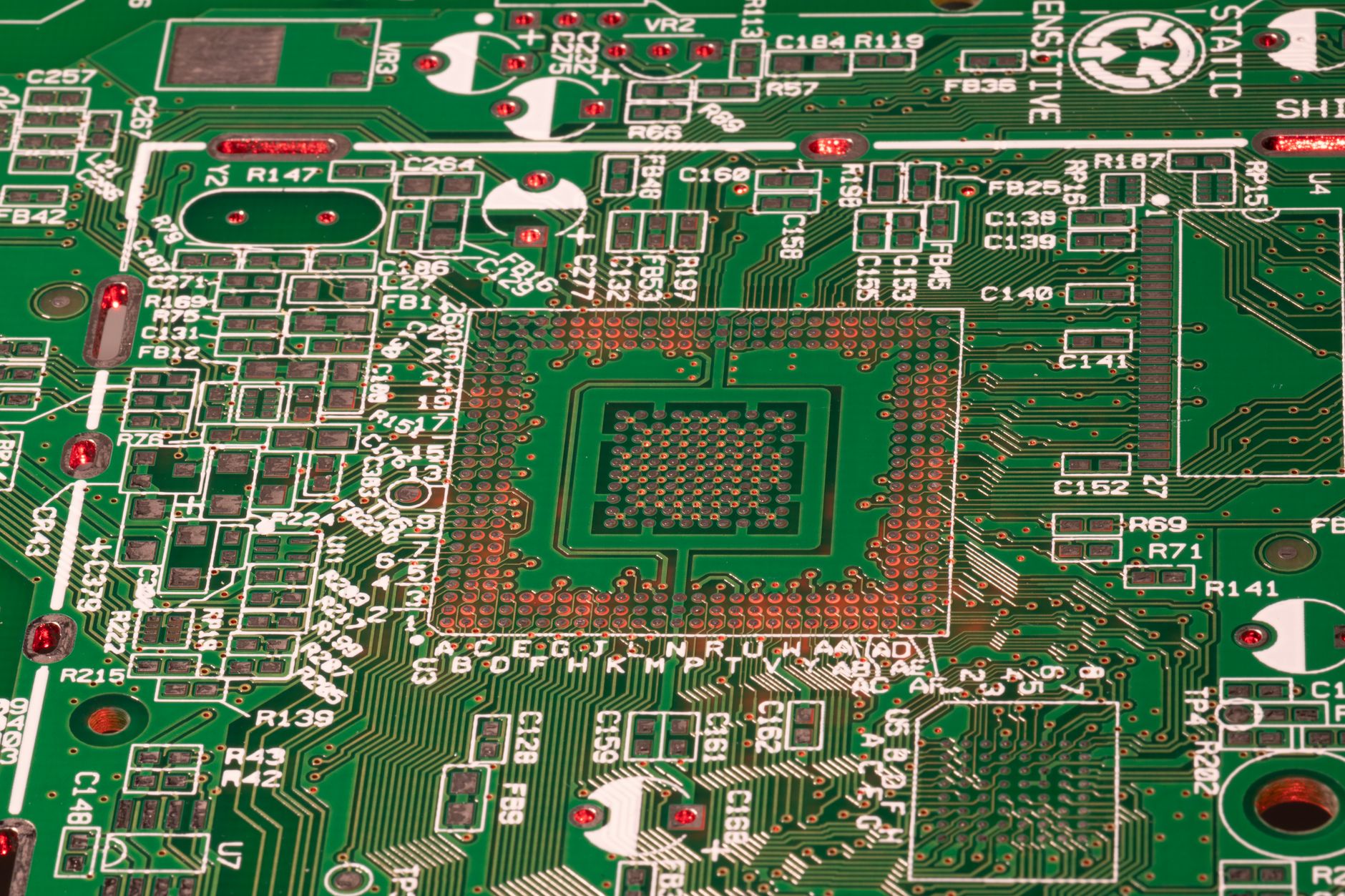
How to Read an Infrared Thermal Imaging Specification Sheet
Learn how to read a thermal imaging specification sheet, from NETD and pixel pitch to spectral range, frame rate, interfaces, and reliability.
Read More →
How to Compare Thermal Camera Module Suppliers
Compare thermal camera module suppliers by evaluating sensor performance, interfaces, calibration, compliance, lifecycle risk, and OEM support for integration.
Read More →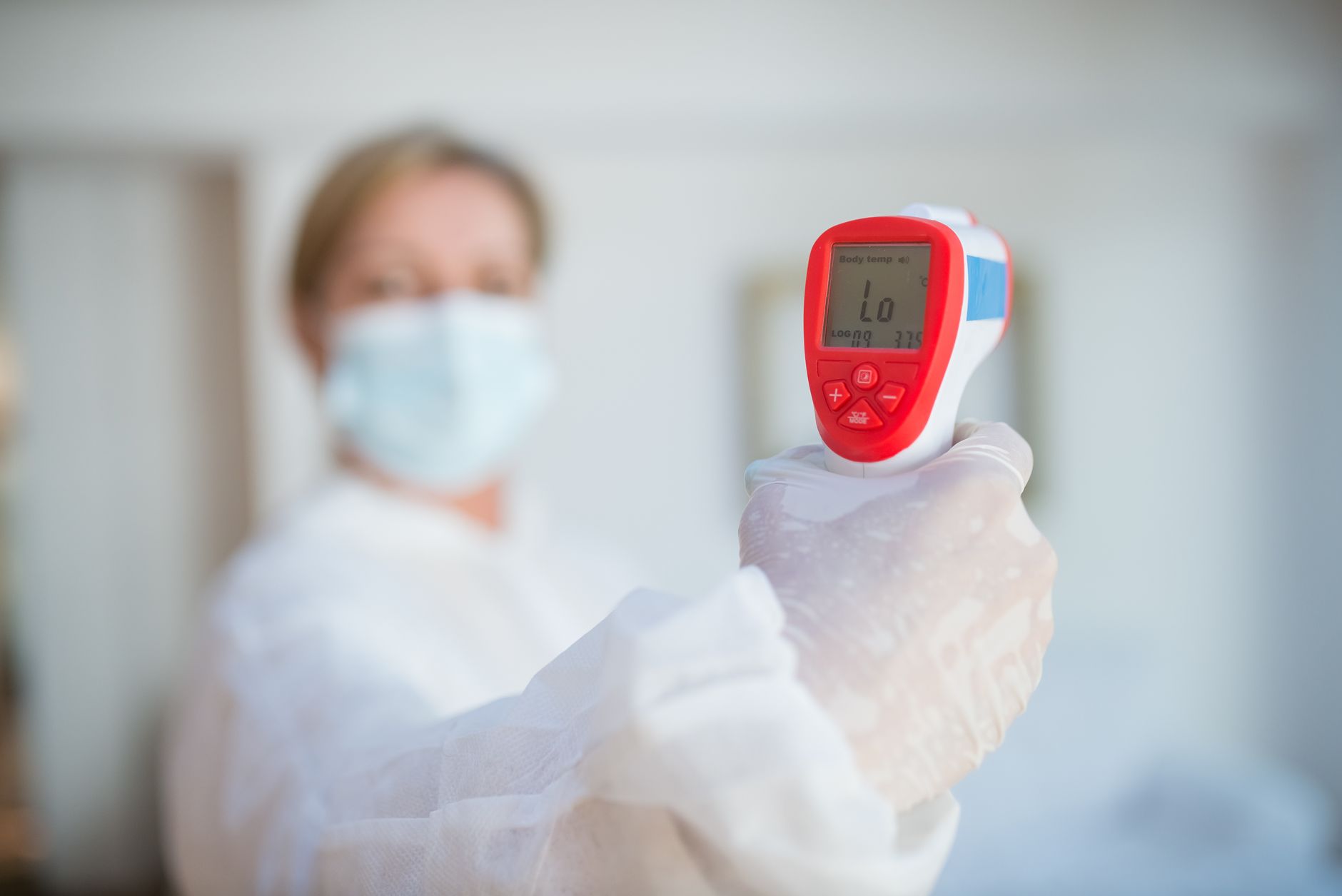
How to Choose an Infrared Module for an EO/IR System
EO/IR infrared module selection guide covering LWIR, MWIR, SWIR, range modeling, interfaces, SWaP, power, environmental fit, and production risk for OEMs.
Read More →
Thermal Camera Module Interfaces: USB, GigE, MIPI, LVDS, and Camera Link
Compare thermal camera module interfaces including USB, GigE, MIPI, LVDS, and Camera Link for OEM infrared system design.
Read More →
Why Can Two 640 Infrared Cores Deliver Very Different Image Quality?
Why a 640 infrared core can vary widely in image quality, from NETD and pixel pitch to optics, NUC, image processing, and thermal design.
Read More →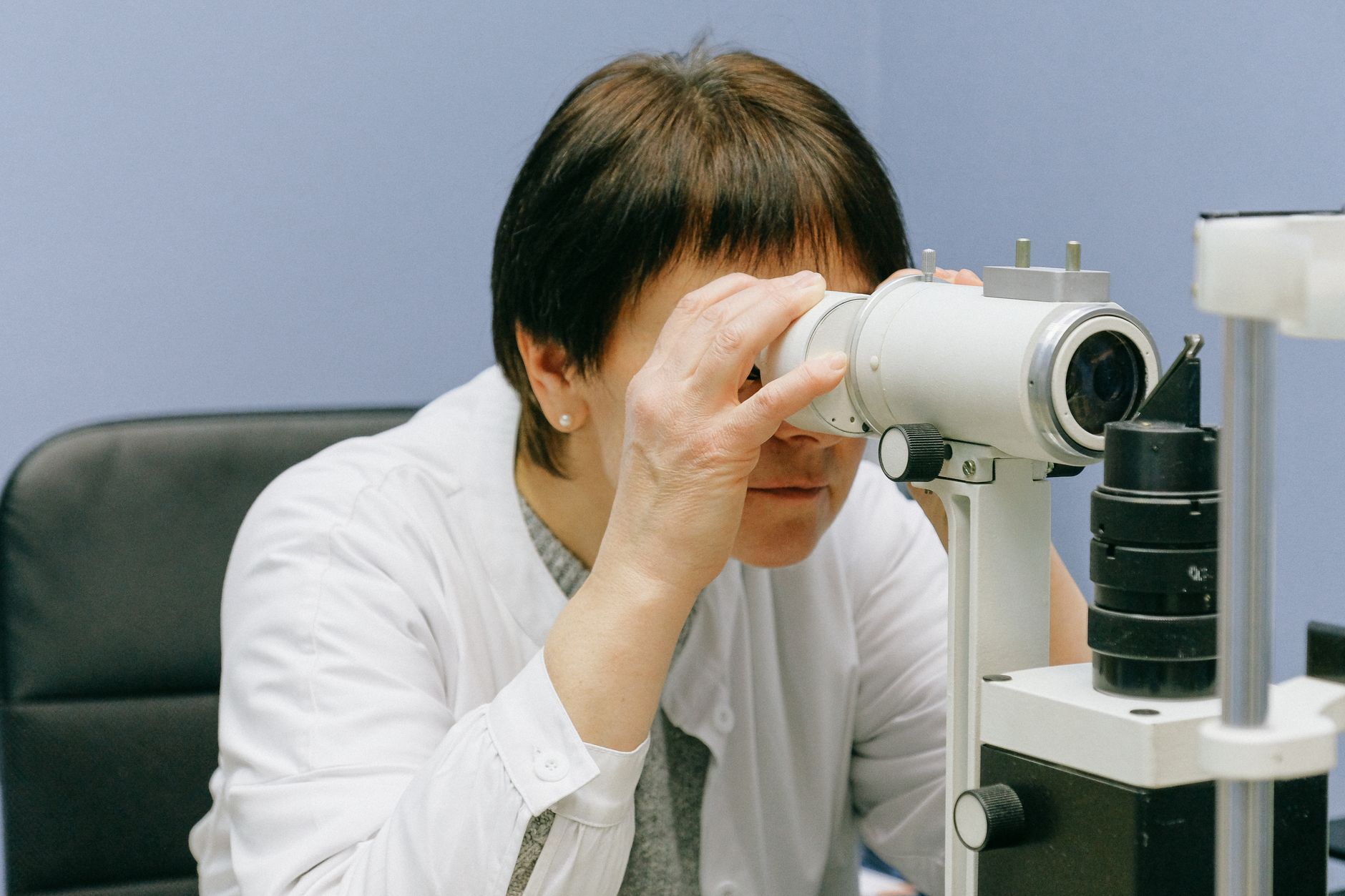
How Lens Focal Length Affects Detection Range
Learn how lens focal length affects detection range in infrared modules, including IFOV, pixel pitch, aperture, scene contrast, and OEM test trade-offs.
Read More →
Does a Longer Infrared Lens Focal Length Always See Farther?
Infrared lens focal length alone does not define range. Learn how IFOV, pixel pitch, F-number, resolution, atmosphere, target size shape imaging.
Read More →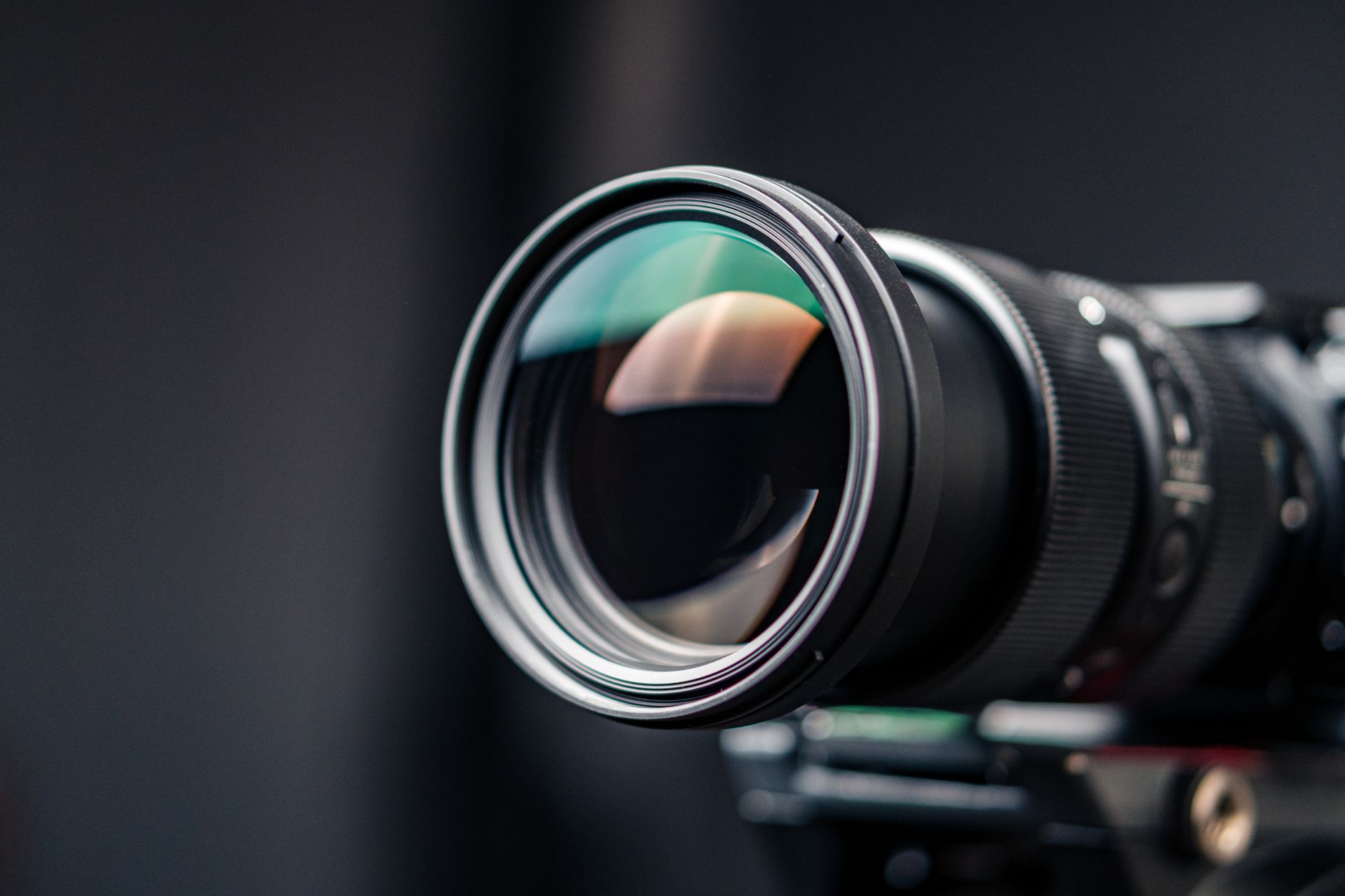
Focal Length and Field of View in Thermal Cameras
Understand focal length and field of view in thermal cameras for OEM lens selection, target coverage, pixel sampling, and system trade-offs.
Read More →