Thermal Imaging Knowledge Base & Industry News
Technical articles and market insights on infrared thermal imaging: MWIR/LWIR fundamentals, NETD, optics, system integration and EO/IR procurement guides.

What Infrared Module Is Best for Handheld Devices?
Choose the right handheld infrared module by balancing power, size, resolution, interface, imaging range, AI workload, battery life, and supply stability.
Read More →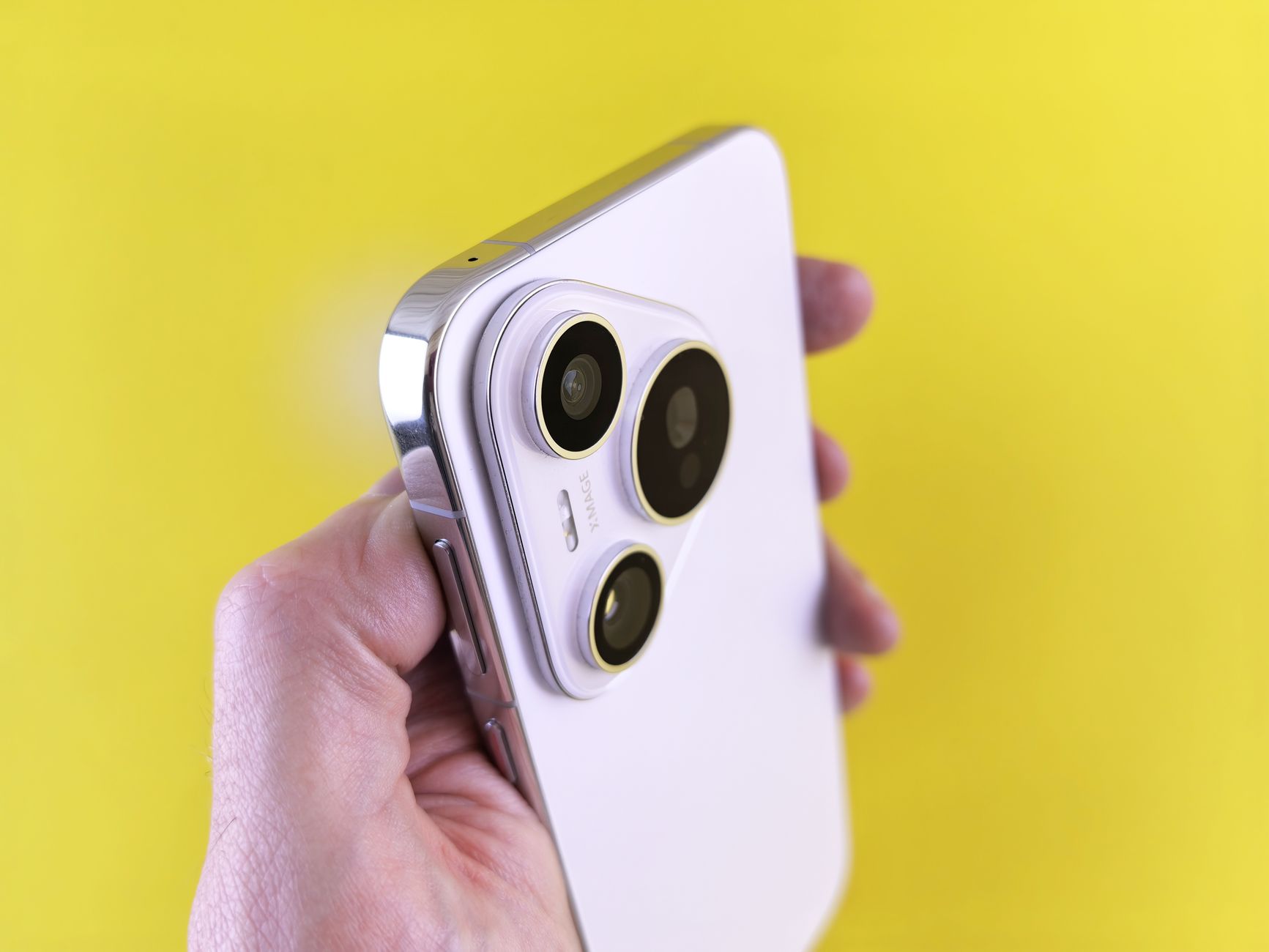
How to Select a Thermal Module for Handheld Devices
Learn how to select a thermal module for handheld devices by comparing detector band, resolution, optics, power, interfaces, and OEM integration trade-offs.
Read More →
What Parameters Matter for Vehicle Thermal Imaging Systems?
Learn how to choose a vehicle thermal imaging system by comparing LWIR/MWIR bands, NETD, FOV, frame rate, latency, reliability, interfaces, and AI fusion.
Read More →
How to Select a Thermal Module for Vehicle Systems
Select a thermal module for vehicle systems by matching wavelength, resolution, optics, interfaces, ruggedness, processing, and OEM integration needs.
Read More →
Why Do UAV Gimbals Commonly Use Infrared Cores?
Explore why a UAV gimbal infrared core extends drone missions into night, smoke and low light, with LWIR, MWIR and dual-band selection guidance for teams.
Read More →
Thermal Camera Cores for UAV Payloads
Compare thermal camera cores for UAV payloads by band, resolution, NETD, SWaP, interfaces, stabilization, and OEM integration trade-offs for UAV OEMs.
Read More →
Which Infrared Core Should You Choose for a UAV Gimbal?
UAV gimbal infrared core selection guide covering LWIR, cooled MWIR, 1280 HD, dual-band imaging, power, interfaces, range, and temperature data.
Read More →
How to Select a Thermal Module for UAV Payloads
Choose the right thermal module for UAV payloads by comparing LWIR, MWIR, resolution, lens, interface, stabilization, SWaP, and OEM integration needs.
Read More →
Does an Infrared Camera Core Need an SDK?
Learn when an infrared camera core SDK is needed for OEM integration, thermal measurement, MIPI/GigE streaming, AI, calibration, and production risk.
Read More →