Thermal Imaging
All articles filed under Thermal Imaging — 81 articles.

Johnson Criteria for Thermal Imaging
Johnson Criteria for Thermal Imaging explain DRI range, pixels on target, lens choice, and OEM trade-offs for LWIR, MWIR, and multi-band OEM modules.
Read More →
How Thermal Imaging Works: A Technical Primer for Engineers
A technical explanation of thermal imaging — blackbody radiation, infrared detectors, the imaging pipeline, and what distinguishes high-performance from budget modules.
Read More →
DRI in Thermal Imaging: Detection, Recognition, and Identification
DRI in thermal imaging explained for OEM engineers: detection, recognition, identification range, target pixels, optics, NETD, MTF, and sensor trade-offs.
Read More →
Germanium vs Chalcogenide Infrared Lenses
Compare germanium vs chalcogenide infrared lenses for LWIR and MWIR modules, covering key transmission, thermal drift, molding, cost, and OEM trade-offs.
Read More →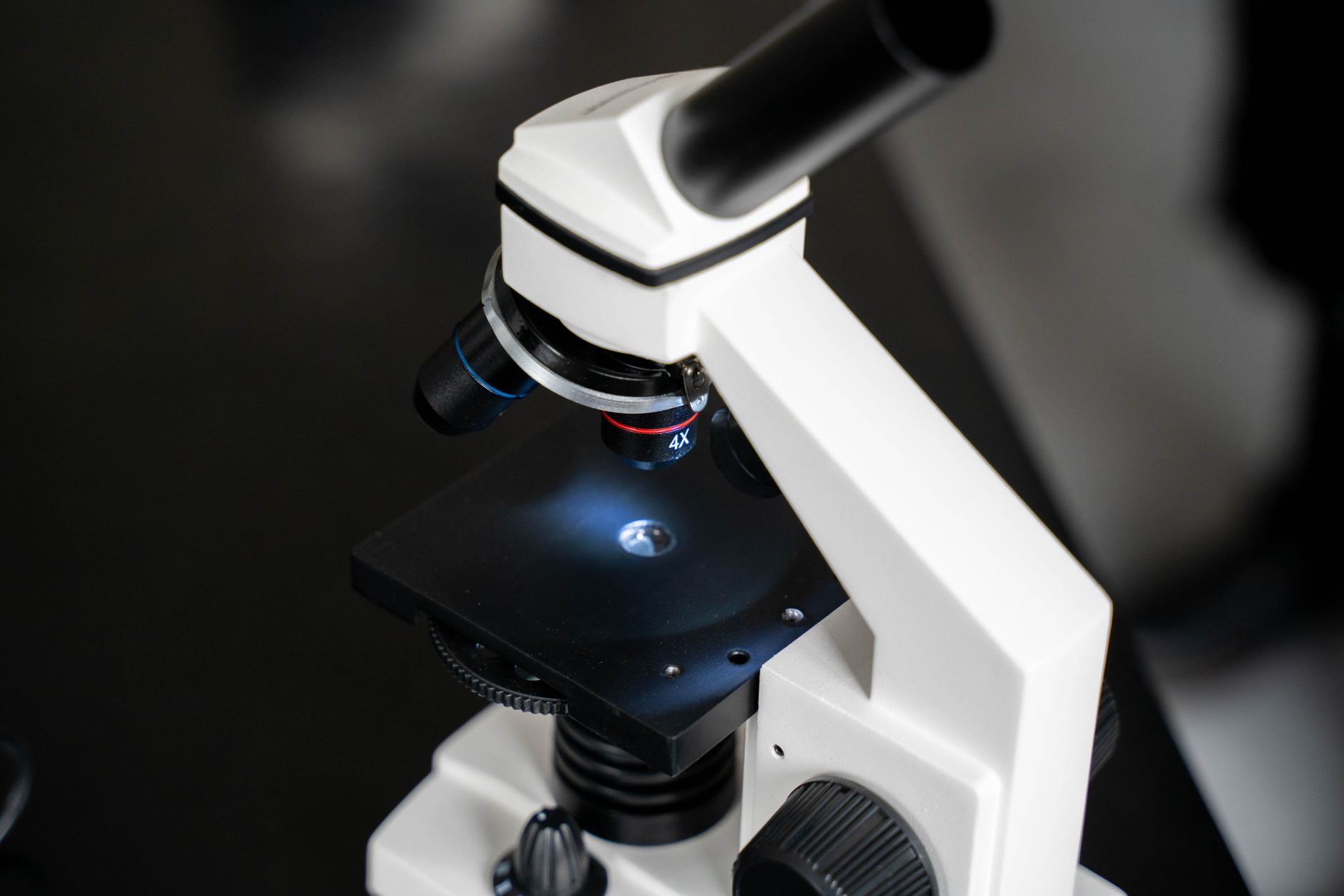
How Far Can Thermal Imaging Really See?
Thermal imaging range depends on target size, focal length, pixel pitch, NETD, and atmosphere. Learn how to estimate detection, recognition, and ID distance.
Read More →
What Is an Infrared Lens?
An infrared lens transmits IR radiation onto a focal plane array. Learn how material choice, focal length, and F-number shape thermal imaging system performance.
Read More →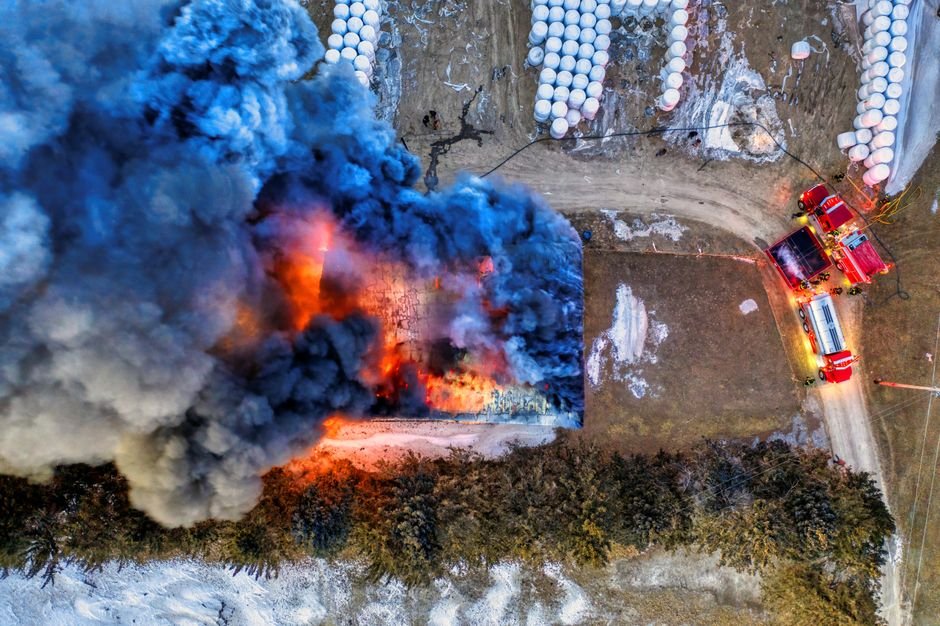
Firefighting Drones with Thermal Eyes: Fireground Reconnaissance Through Smoke
How a municipal fire brigade put radiometric thermal cameras on its quick-response drones — locating the seat of the fire, hidden hot spots and trapped people through smoke before committing crews inside.
Read More →
Why Are Infrared Lenses So Much More Expensive Than Standard Lenses?
Infrared lenses cost 10–100× more than standard optics. Germanium, IR AR coatings, athermalization, and low volume explain the price gap—with real data.
Read More →
Polarimetric Thermal Imaging: Camouflage Defeat and Material Discrimination
How polarized LWIR imaging enables detection of camouflaged targets, material identification, and enhanced threat detection beyond conventional thermal cameras.
Read More →