Thermal Imaging
All articles filed under Thermal Imaging — 81 articles.

Thermal Cores Guarding the Lights of Home: IRmodules Celebrates the 77th Anniversary of the People's Republic of China
Golden autumn, nationwide celebration. IRmodules warmly celebrates the 77th anniversary of the founding of the People's Republic of China, salutes every builder holding their post, and will keep guarding the days and nights of border, grid, fireground and city safety with home-grown thermal core technology.
Read More →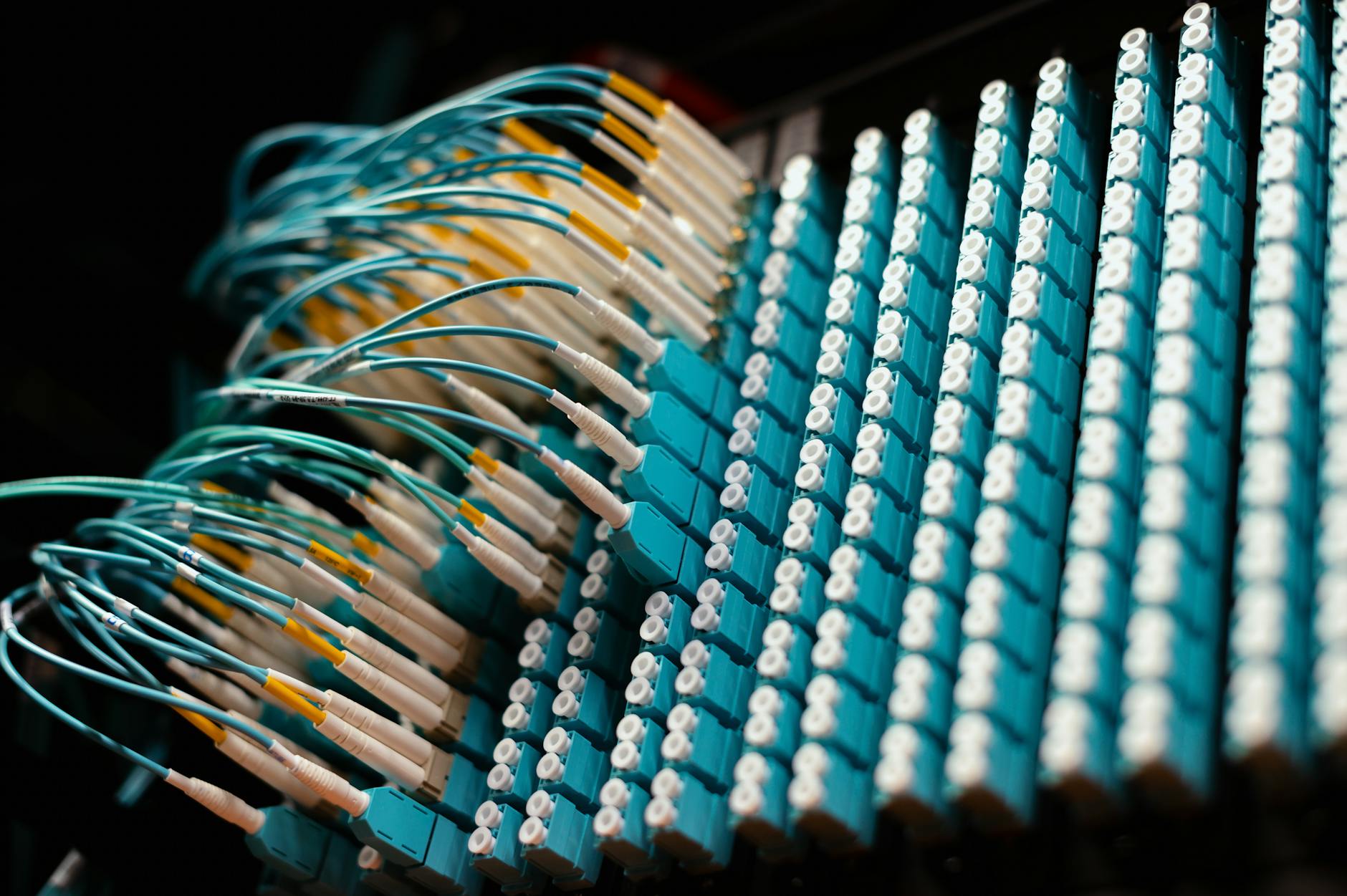
How to Integrate a Thermal Camera Core into an EO/IR System
Learn how to integrate a thermal camera core into an EO/IR system, including interfaces, optics, calibration, latency, and OEM selection trade-offs for OEMs.
Read More →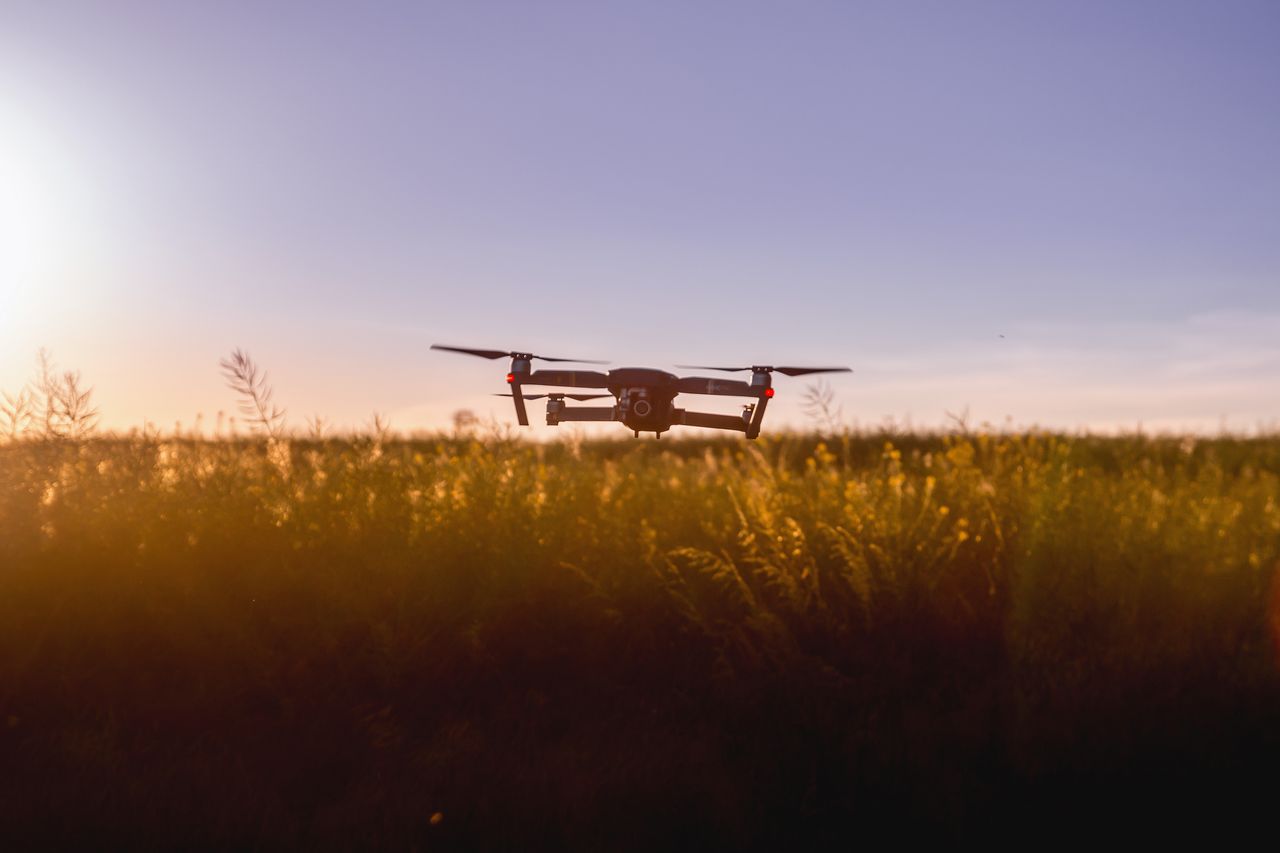
What Application Opportunities Does Thermal Imaging Have in the Low-Altitude Economy?
Low-altitude thermal imaging helps UAV teams detect heat, people, vehicles, faults, and risks in inspection, rescue, security, and city operations.
Read More →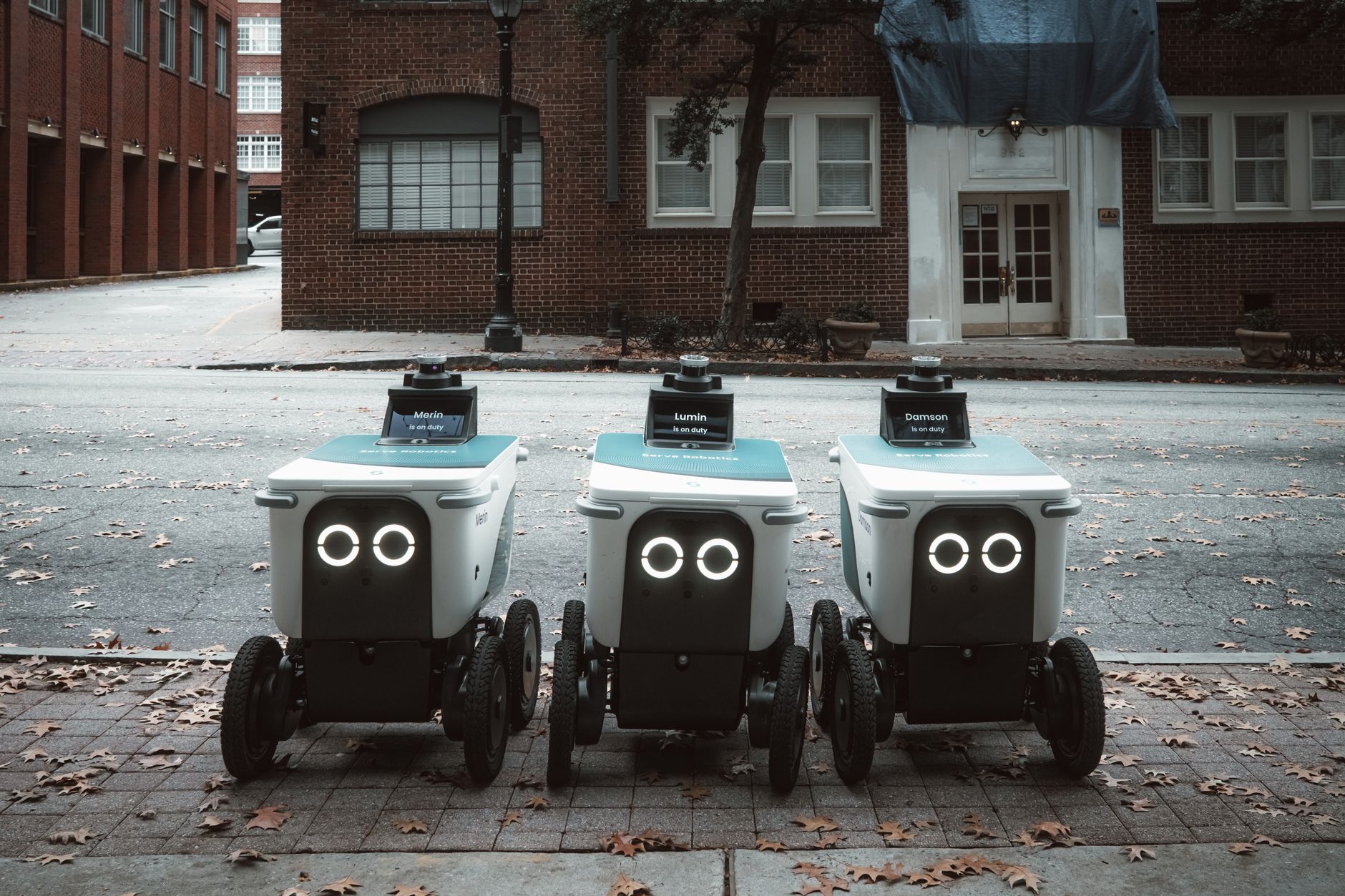
Thermal Imaging for Ground Robots
Thermal imaging for ground robots improves perception in darkness, smoke, dust, and clutter by matching LWIR, MWIR, SWIR, optics, and interfaces to OEM tasks.
Read More →
Thermal Imaging for Solar Panel Inspection
Thermal imaging for solar panel inspection helps OEM teams choose IR modules, optics, calibration, and UAV workflows for reliable PV hot-spot detection.
Read More →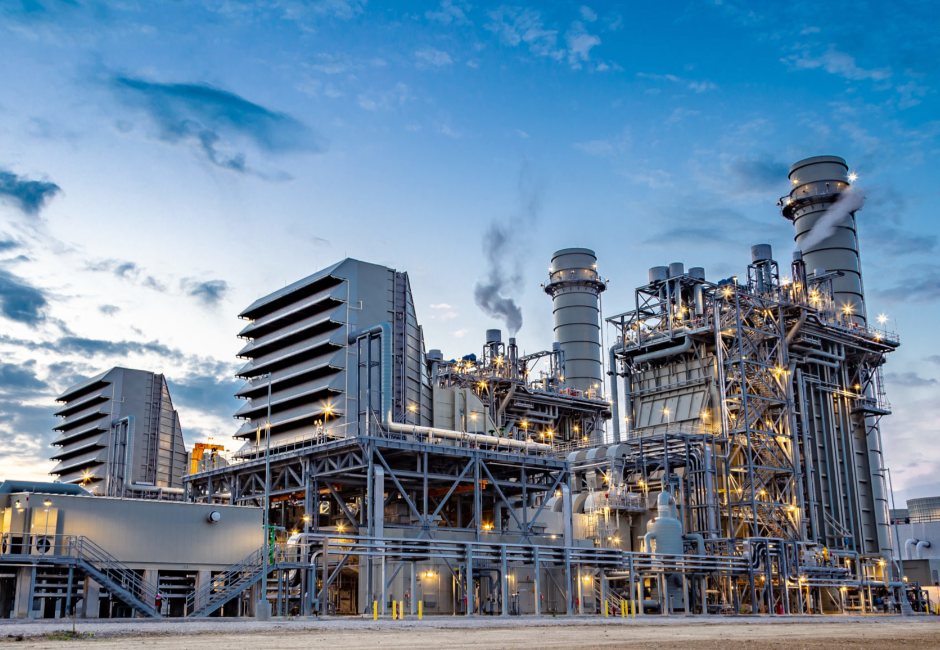
Why Does Power Inspection Need Thermal Imaging?
Thermal imaging for power inspection helps detect overheating connectors, insulation degradation, load imbalance, and UAV inspection risks without shutdowns.
Read More →
Thermal Modules for Electrical Inspection
Thermal modules for electrical inspection help OEMs detect hot spots, define radiometric requirements, and design reliable substation and cabinet imagers.
Read More →
Why Use Thermal Imaging Cameras for Forest Fire Prevention?
How a forest fire thermal imaging camera detects early hotspots at night, through light smoke and low light, with selection, deployment and AI alarm guidance.
Read More →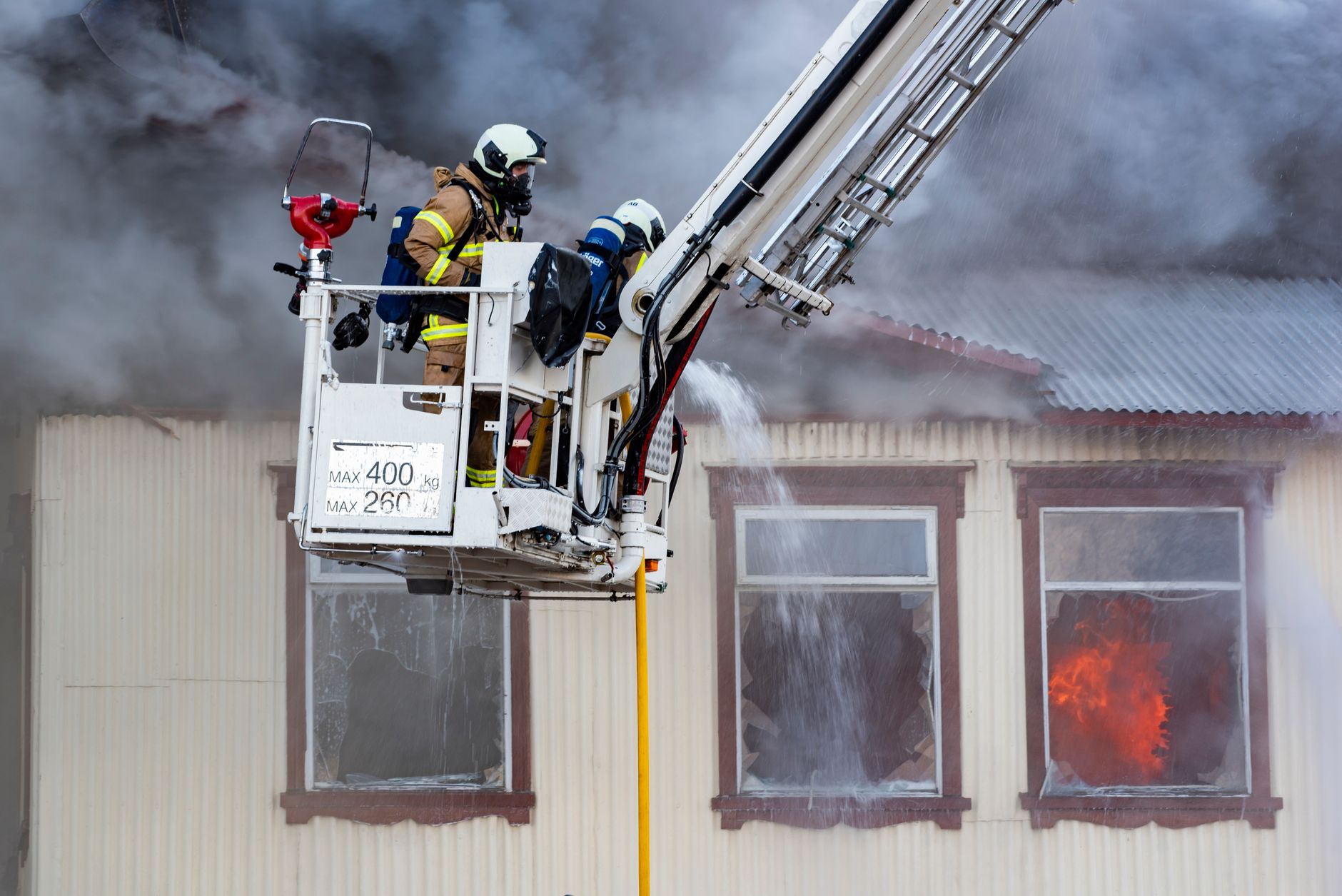
Thermal Camera Modules for Fire Detection
Thermal camera modules for fire detection help OEMs detect heat signatures, smoke-obscured fire, and ignition risk in fixed and mobile systems.
Read More →