AI Imaging
All articles filed under AI Imaging — 45 articles.

Why Does Power Inspection Need Thermal Imaging?
Thermal imaging for power inspection helps detect overheating connectors, insulation degradation, load imbalance, and UAV inspection risks without shutdowns.
Read More →
Why Use Thermal Imaging Cameras for Forest Fire Prevention?
How a forest fire thermal imaging camera detects early hotspots at night, through light smoke and low light, with selection, deployment and AI alarm guidance.
Read More →
Thermal Imaging in Low-light and No-light Environments
Thermal imaging in low-light and no-light environments: sensor bands, contrast, optics, calibration, and OEM module trade-offs.
Read More →
Long-range Thermal Imaging for Security Surveillance
Long-range thermal imaging for security surveillance: detector, optics, NETD, DRI, stabilization, and OEM module choices for perimeter systems at range.
Read More →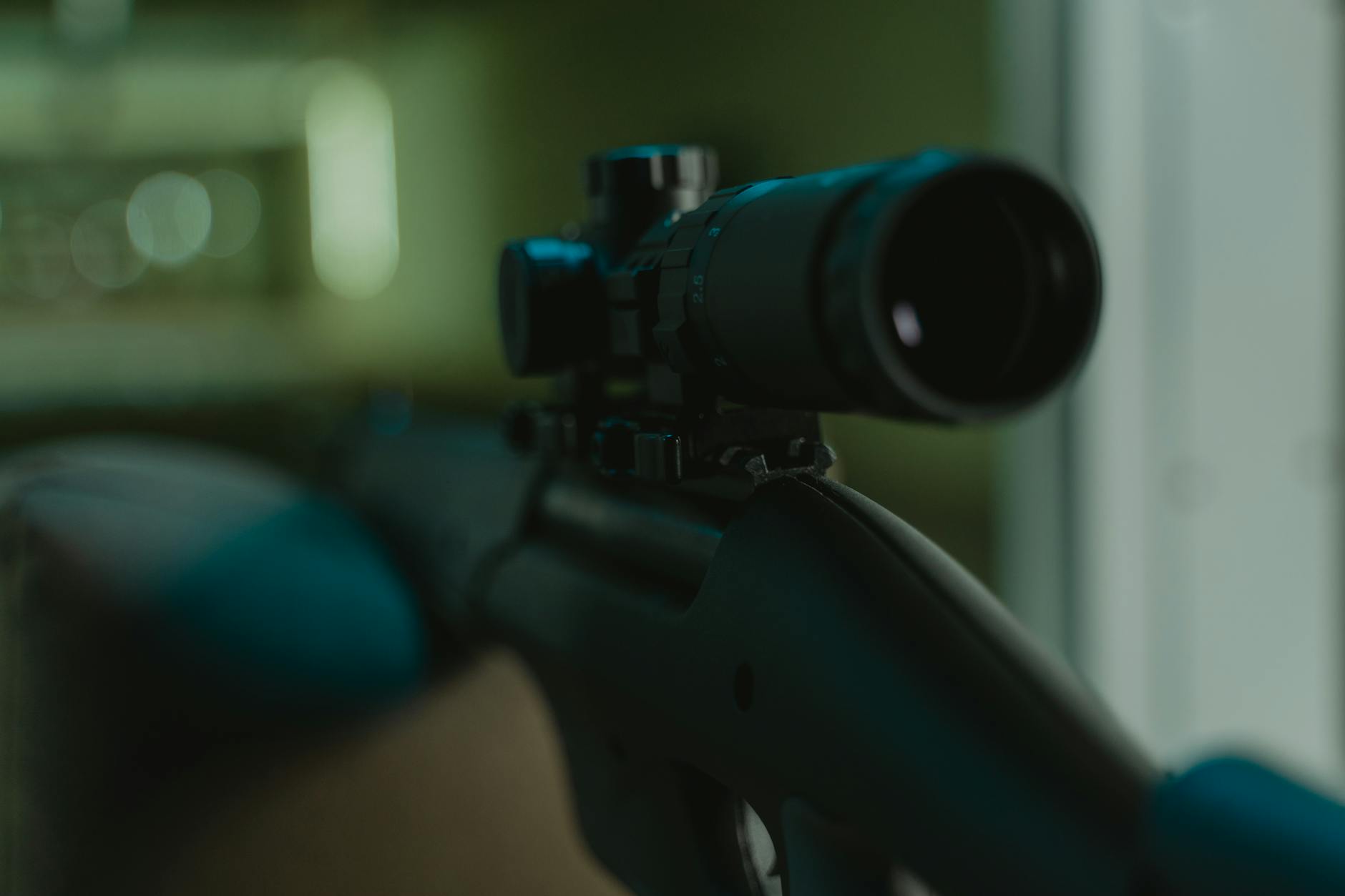
Why Are Security Projects Putting More Weight on All-Weather Perception?
All-weather security perception improves detection in darkness, fog, backlight, and long-range scenes by combining thermal imaging, multi-band fusion, edge AI.
Read More →
Thermal Imaging for Critical Infrastructure Protection
Thermal imaging for critical infrastructure protection supports perimeter security, asset monitoring, and resilient detection in low visibility.
Read More →
Thermal Camera Modules for Coastal Monitoring
Thermal camera modules for coastal monitoring help OEMs compare LWIR, MWIR, optics, interfaces, calibration, and analytics for harsh marine system designs.
Read More →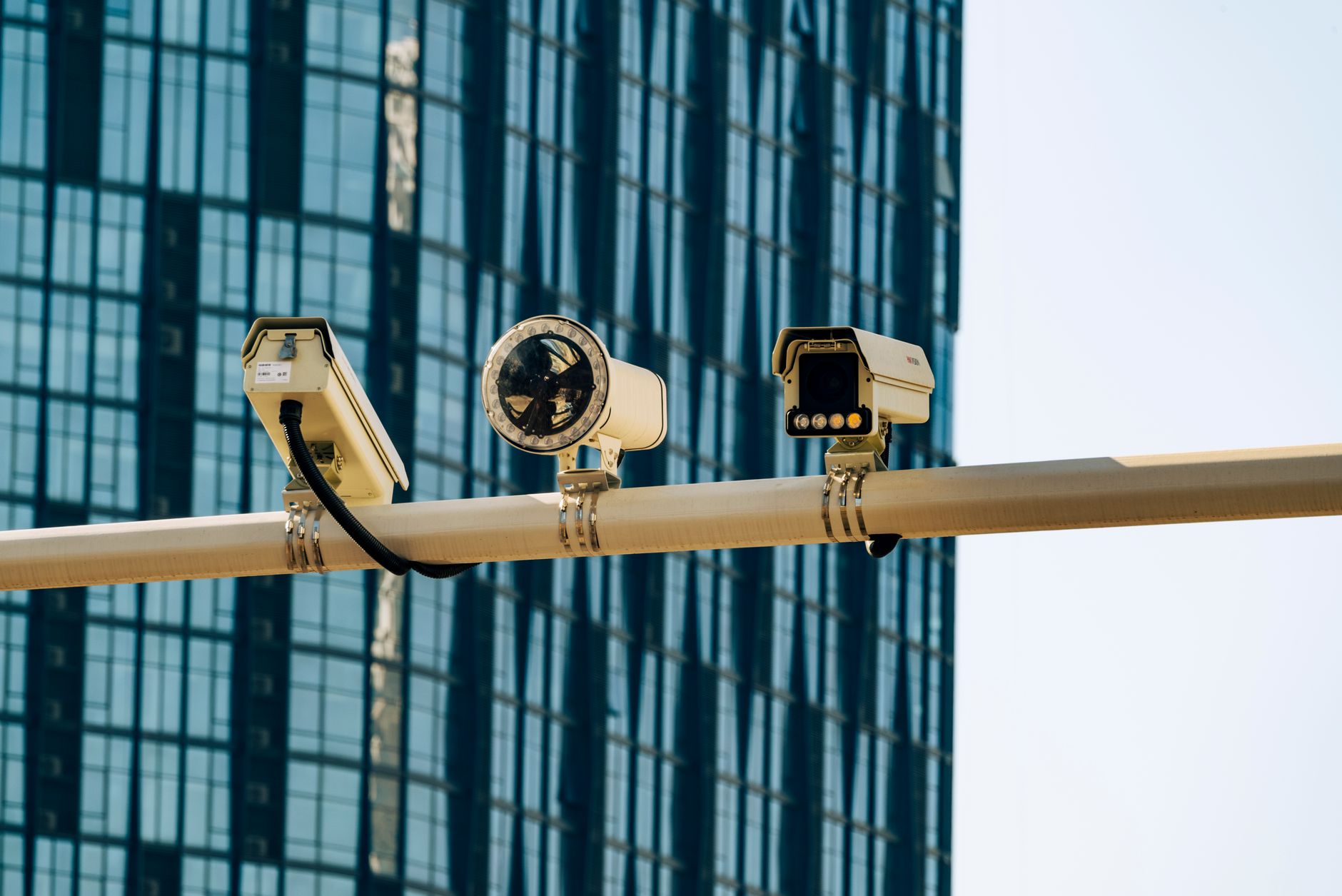
What Advantages Does Thermal Imaging Offer in Maritime Surveillance?
Maritime surveillance thermal imaging detects vessels, people, engine heat, and hot spots at night, in glare, light fog, rain, and wave clutter for ports.
Read More →
Why Does Border Surveillance Need Infrared Thermal Imaging?
Border surveillance infrared thermal imaging guidance for night detection, long-range optics, LWIR/MWIR selection, AI alarms, and system integration tips.
Read More →