Knowledge Base
All articles filed under Knowledge Base — 91 articles.
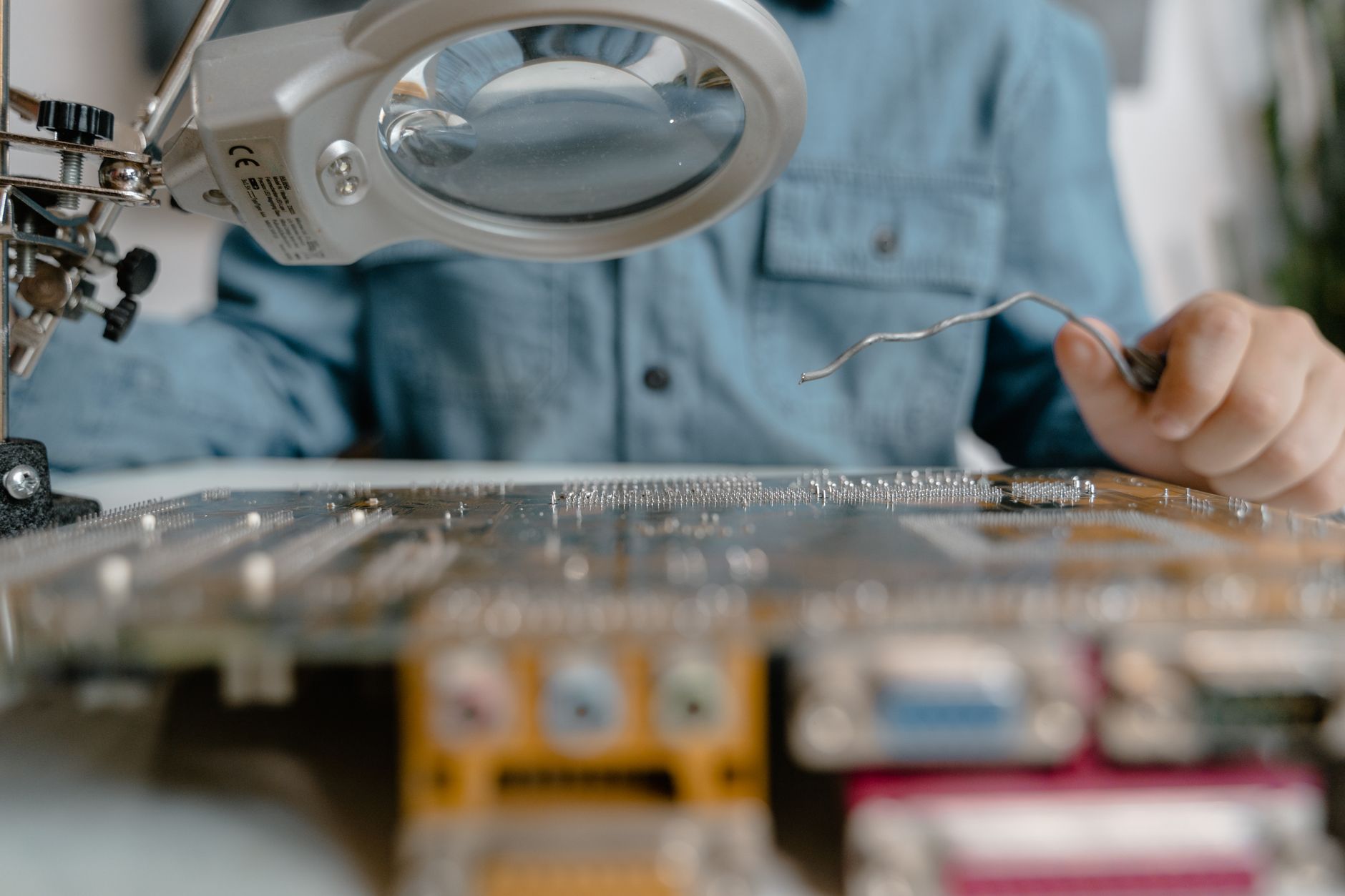
Common Mistakes When Choosing Thermal Camera Cores
Avoid costly errors when choosing thermal camera cores for OEM systems, from waveband and NETD to interface, optics, and integration trade-offs.
Read More →
Why Can a Low-Cost Infrared Module Become More Expensive Later?
Learn why a low-cost infrared module can raise total ownership cost through calibration, SDK gaps, thermal drift, repairs, downtime, and rework.
Read More →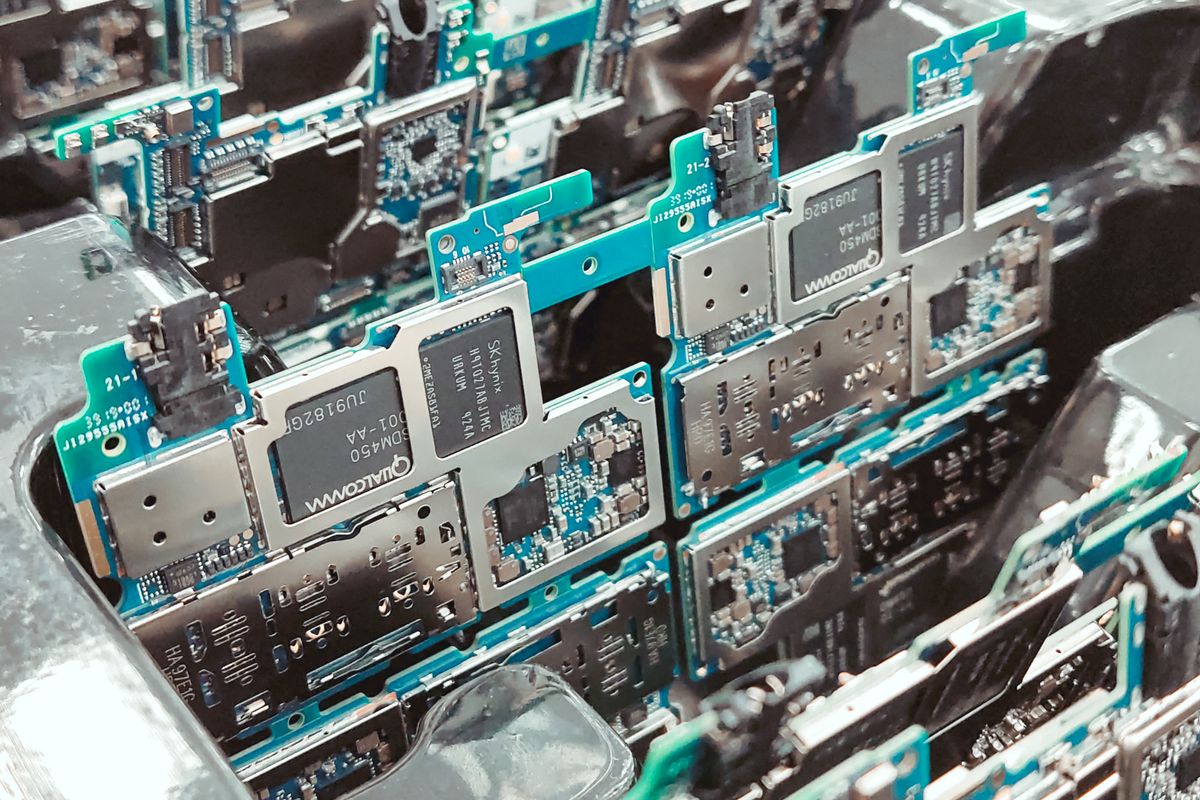
Why the Cheapest Thermal Module May Cost More Later
Why the cheapest thermal module may cost more later: hidden OEM costs from image quality, calibration, interfaces, documentation, rework, supply risk, and support.
Read More →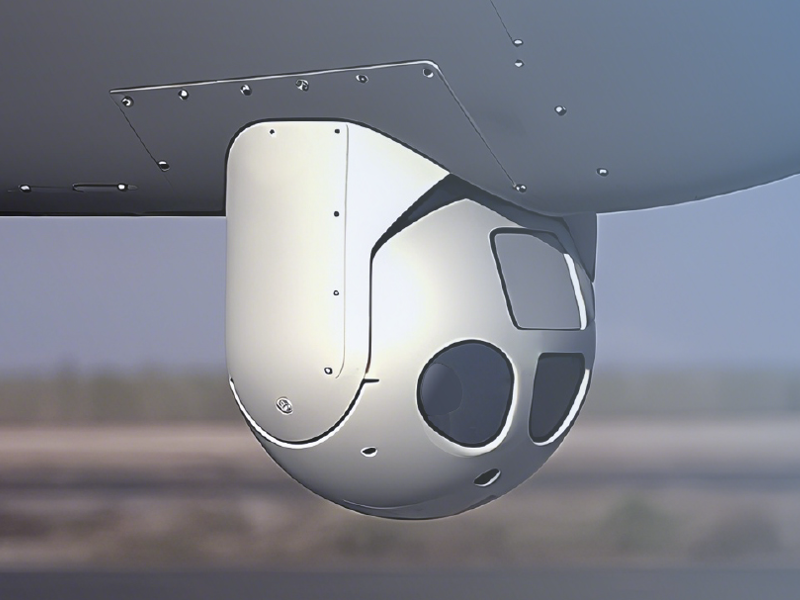
Impact of the New UAV Export Declaration Rules on EO/IR Imaging Modules
China Customs' announcement on UAV and related item export declarations takes effect on June 30, 2026. This article explains the impact on EO/IR imaging modules, infrared camera cores, dual-band payloads, and counter-UAV systems.
Read More →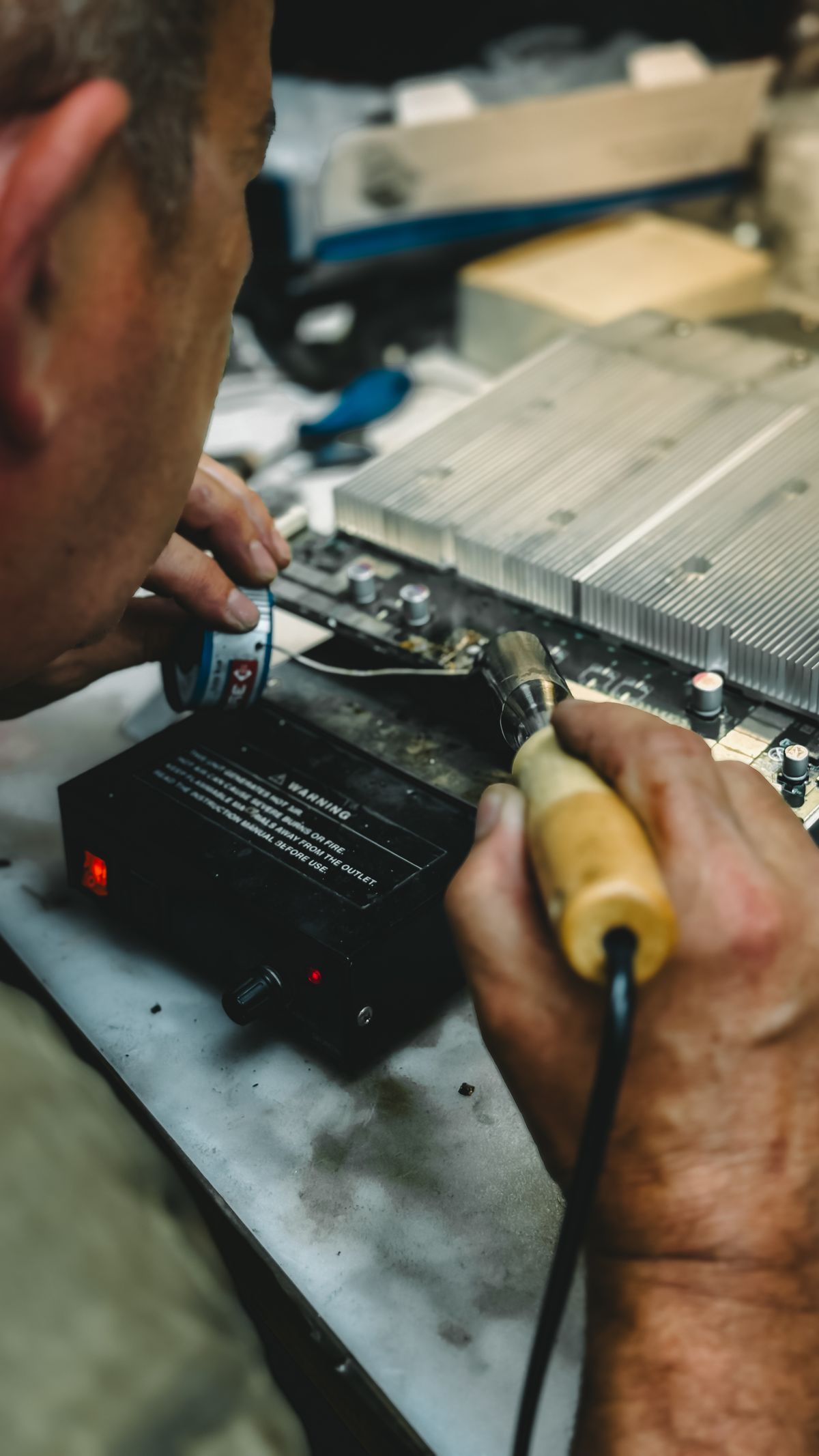
Customization Options for Thermal Camera Modules
Customization options for thermal camera modules explained: lens, FOV, interface, firmware, radiometry, mechanics, environmental design, branding, and OEM risk.
Read More →
Thermal Camera Module Lead Time Explained
Thermal camera module lead time explained for OEM buyers: what drives delivery time, how samples differ from production, and how to reduce schedule risk.
Read More →
Thermal Camera Module MOQ Explained
Thermal camera module MOQ explained for OEM buyers: why suppliers set minimum order quantities, what affects MOQ, and how to negotiate samples, pilots, and production.
Read More →
What Should You Ask a Supplier Before Buying an Infrared Module?
Infrared module procurement guide for engineers: compare LWIR, MWIR, SWIR, NETD, interfaces, calibration, supply risks, and validation test plans.
Read More →
What to Ask Before Buying a Thermal Camera Core
Know what to ask before buying a thermal camera core, including application fit, detector, optics, interface, calibration, firmware, samples, compliance, and lifecycle support.
Read More →